1. Definition of Ecological Art
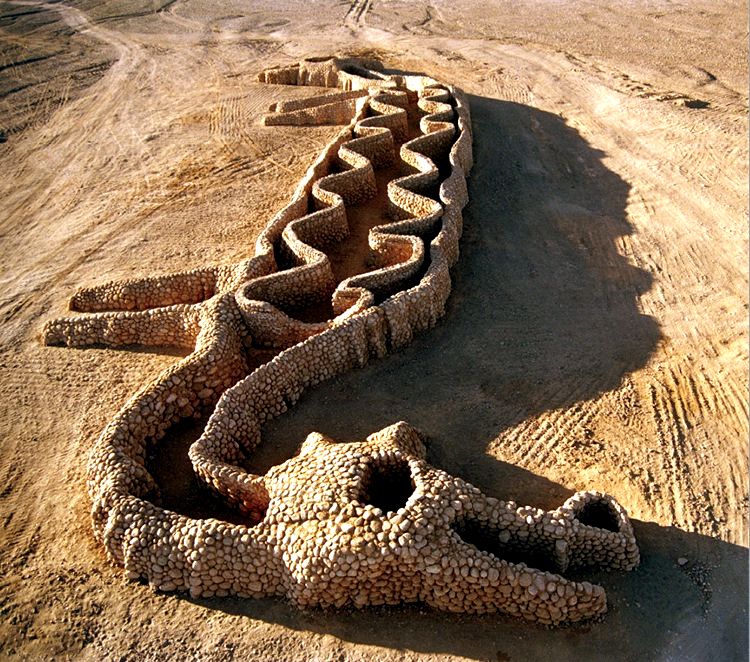
Ecological art is a field within art that combines art and the environment. Its main goal is to evoke emotions and a sense of awareness of the environment and its ecological needs. Artists engaged in ecological art use a variety of techniques and materials to create works that encourage positive change and alert to environmental needs.
Ecological art is also considered a tool for social and cultural change, offering a platform for aspirations for environmental and social change. Through their work, ecological artists promote socially and consumer-based functioning based on environmental sensitivity and social responsibility.
Ecological art offers a fresh and refreshing approach to the art world, inviting viewers to rethink the relationship between humans and the environment, and influence human behavior towards the environment through artistic creation.
2. Benefits of Ecological Art
Ecological art offers a variety of important benefits to the environment and society in general. Here are some of the key benefits of ecological art:
Ecological art reminds us that our impact on the environment can be positive or negative, and that we are responsible for our choices.
Aharon Cohen – Environmental Activist

- Increasing environmental awareness – Ecological art invites discussion on important environmental issues and encourages people to think about their impact on the environment.
- Use of recycled materials – Ecological art promotes the use of materials from recycled sources and reduces their impact on the environment.
- Creation of beautiful and designed works – Ecological art presents artistic works that combine art and the environment in a beautiful and practical way.
- Strong and influential message – Ecological art pieces can convey important and influential messages to the public, leading to personal and community changes.
- Use of innovative technology – Ecological art uses innovative and advanced technology to create unique works that combine art and the environment.
In conclusion, ecological art is an important tool in the fight for the environment and offers a unique and inspiring way to positively influence the world.
Examples of Famous Ecological Artists
Ecological art is a unique field that combines art and the environment. Ecological artists use natural materials and offer creative solutions to environmental issues. Their influence is evident in the art world and the environmental community. Here are some examples of famous ecological artists:
1. Ruth Eastern Collection
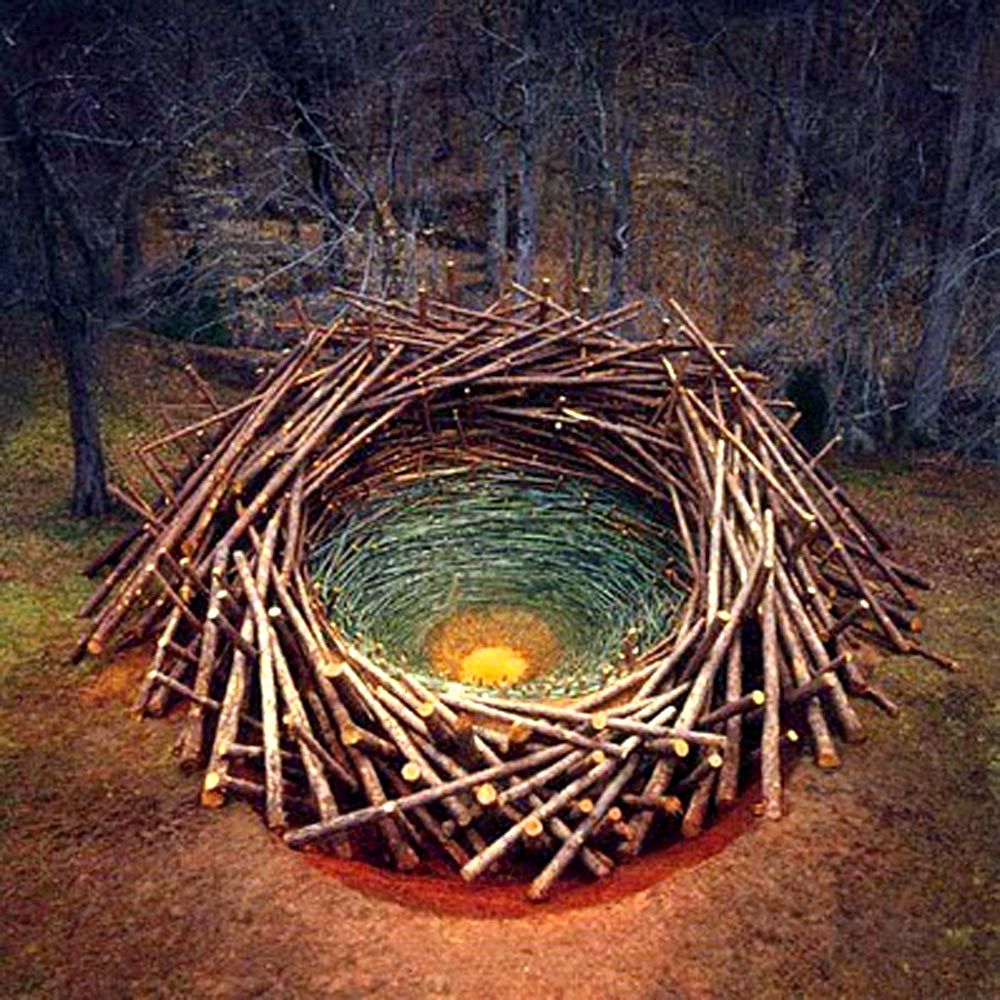
An Israeli artist who develops works with important ecological messages. Ruth Eastern uses sustainable and recyclable materials to create modern art that reminds viewers of the importance of environmental preservation.
2. Lili Eliahu
The Israeli artist uses organic materials and originality to create works of art that encourage awareness of modern ecological challenges.
3. Andy Goldsworthy
The British artist presents environmental art in an original and impressive way. He uses sustainable materials and invents creative solutions to environmental issues through contemporary and impressive works.
These were examples of influential ecological artists who positively impact the environment and offer new and fascinating ways to deal with environmental challenges artistically and impressively.
Ecological Art Techniques
Ecological art techniques are tools and methods used to create art in a natural and ecological manner. There are a variety of techniques that can be used to create ecological art, including techniques that require deep knowledge and background in environmental, health, and sustainability issues.
In the hands of an ecological artist who breathes life into valuable materials and uses them to create art, there is immense power to create positive change in the environment.
Rachel Cohen – Plastic Artist
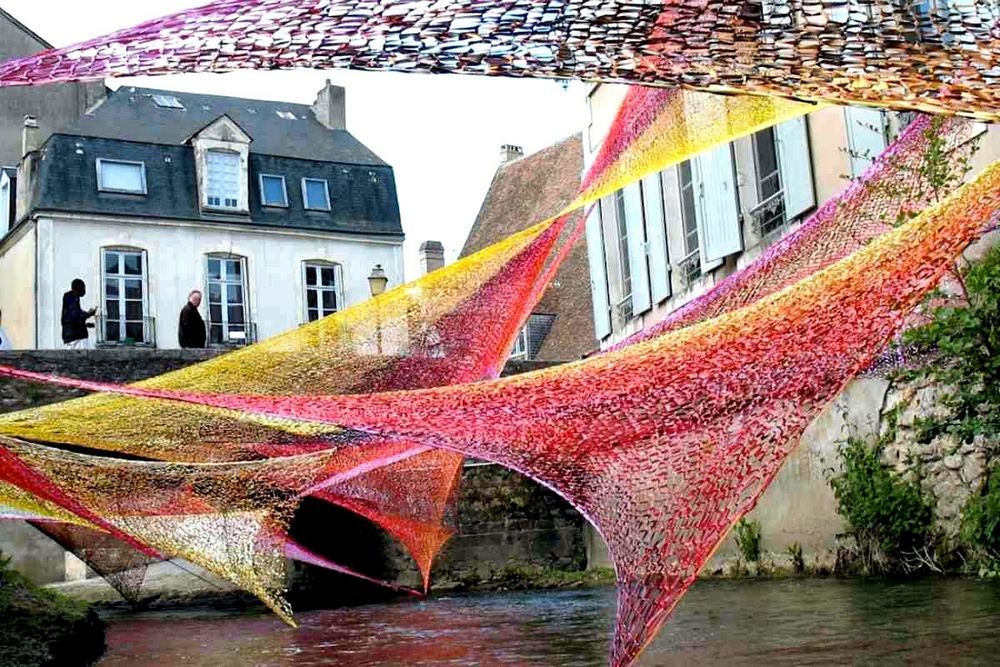
One common technique is the use of natural materials such as wood, stone, plants, and other raw materials collected from the environment in a responsible manner. When creating artistic works with these materials, actions are taken to preserve the environment and reflect on their impact on the environment.
Another technique is creating art pieces through upcycling, which means using recycled materials from natural life cycles. For example, creating sculptures from recycled materials or painting on recycled materials like cardboard or magazines.
Additionally, green chemistry techniques are widely used to create environmentally friendly and safe materials and colors. Innovative processes are being developed to reduce the environmental impact of artistic materials.
Ultimately, ecological art techniques are an integral part of the artist’s personal and social responsibility towards the future environmental sustainability of the Earth and for the sake of future generations.
Ecological Art as a Tool for Social Influence
Ecological art is an important tool for social influence and for creating changes in the environment that surrounds us. By using art as a means to express ideas, emotions, and concepts on environmental issues, we can convey important messages and change the community’s perception of topics such as environmental protection, global Earth health, and natural resource conservation.
Ecological art offers a unique platform for both artists and viewers to express and connect to topics of nature, environment, and our shared existence on Earth. Through creating performances and art exhibitions, we can evoke emotions and hold the public’s attention on issues of environmental and sustainable responsibility.
In addition, ecological art provides a creative tool for collaboration and creating a community committed to taking action for the environment. By creating ecological art pieces marketed to the general public, we can convey our message and raise public awareness for essential social and environmental actions.
Ecological art exposes the deep connection between humans and the environment and evokes a sense of responsibility towards nature and the environment.
Amit Cohen – Environmental Tour Guide
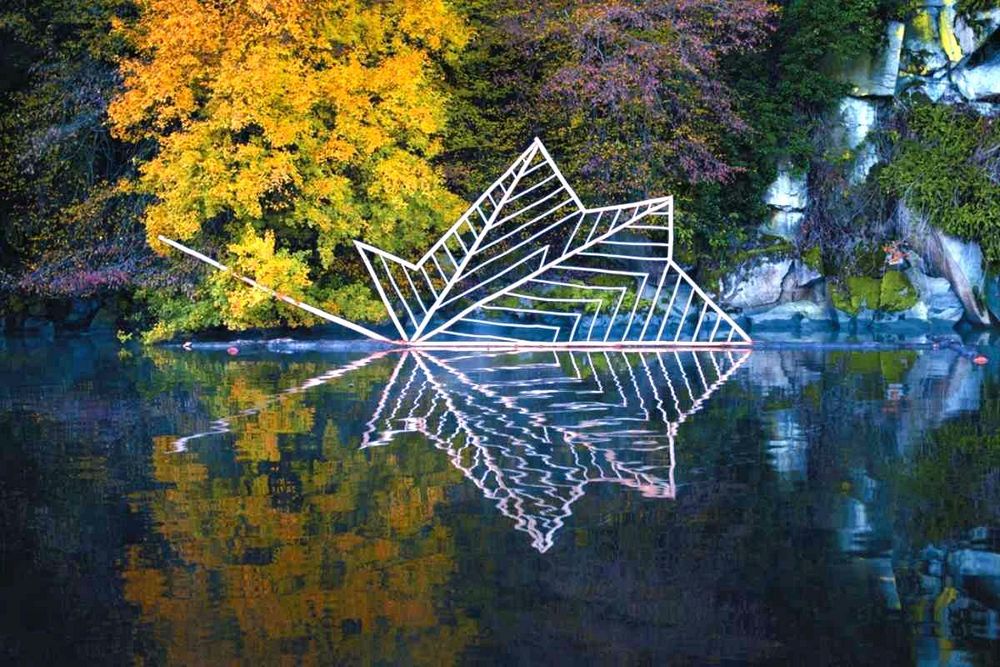
In conclusion, ecological art is a powerful tool for creating social change and positively influencing the environment. We must continue to use this art to strengthen our environmental responsibility and create a better world for all Earth residents.
The Influence of Ecological Art on Environmental Quality Policy
Ecological art influences not only art itself but also environmental quality policy. This influence is evident in various fields, such as transportation, technology, industry, and more. Ecological art pieces may evoke emotions and generate interest in environmental issues, promote active action, and contribute to creating positive change in the environment.
Additionally, ecological art influences environmental quality policy by creating public discussion and raising awareness of important environmental issues. Supporting ecological art pieces can improve the environmental reality in a country and encourage regulatory policy to establish environmental regulations and laws.
The influence of ecological art on environmental quality policy can change the public and institutional approach to environmental issues and stop their impact on the environment. By creating ecological art pieces, we can evoke feelings and thoughts that will help change public awareness and promote more effective environmental policies.
Ecological Art as a Tool for Environmental Preservation and Restoration
Ecological art serves as an important tool for environmental preservation and restoration in the modern world. The combination of art and the environment allows artists to express their ideas about human connection to the environment and raise awareness of environmental issues.
Through ecological art pieces, artists depict human impact on the environment, such as air, water, and soil pollution, waste, and natural resource use. The works raise questions and encourage viewers to think about ways to improve the environment and restore affected areas.
The use of natural and recycled materials in art pieces encourages awareness of the need for resource conservation and waste reduction. Additionally, the combination of art and technology offers creative solutions to environmental problems and helps develop new techniques for environmental preservation and restoration.
Ultimately, ecological art is an important tool for positive influence on the environment and for creating social and cultural changes for the benefit of the environment. These works encourage the public to participate in actions for environmental preservation and restoration, reminding us of the importance of preserving our environment for future generations.