Definition of Abstraction in Painting
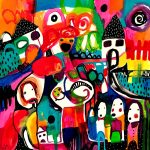
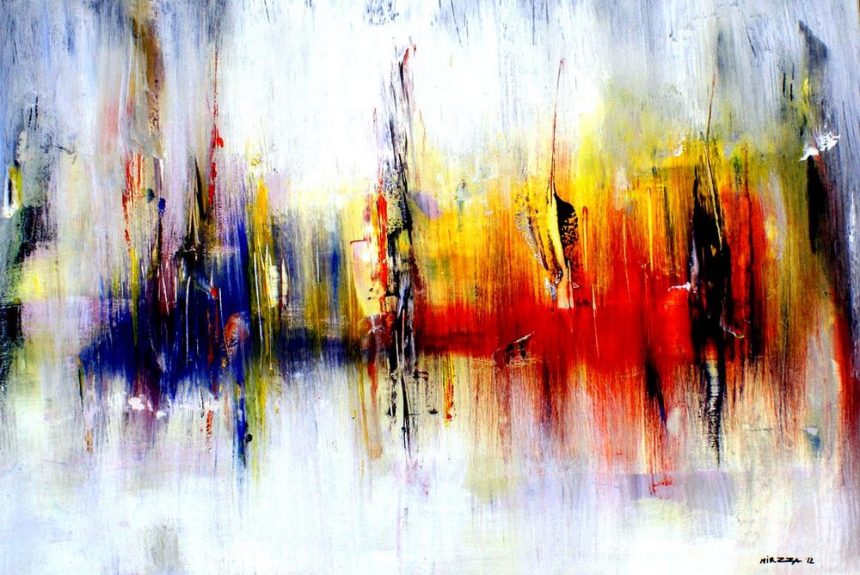
Abstraction in painting is a type of art that focuses on using shapes, colors, lines, and structures to create images that do not reflect the physical world accurately. When creating an abstract painting, the artist deals with simplifying the subject and turning it into shapes that depict ideas, emotions, or abstract concepts.
In abstract painting, the shapes and lines may be diverse and not always identifiable with the original subject or detail. The main goal of an abstract artist is to create a visual work that evokes emotions and thoughts, without portraying something specific from the physical world.
In abstract art, the viewer is invited to contemplate the artwork and give it personal meanings and feelings. Thanks to the talent and creativity of the artist, the viewer is encouraged to appreciate and be moved by abstract paintings, even if they do not fully understand or identify the exact meanings in them.
History of Abstraction in Painting
Abstraction in painting is an artistic movement that emerged in the 20th century and spread worldwide. The movement focuses on producing abstract paintings, where the central effort is to express art through shapes and colors, without referring to external facts or sources.
The history of abstraction in painting begins in the 20th century with the appearance of painters like Wassily Kandinsky, Pablo Picasso, and Kazimir Malevich. It is important to note that abstraction in painting developed parallel to other artistic movements like Expressionism and Cubism.
In the 1950s and 1960s, this movement spread globally and evolved creatively and diversely. Artists like Jackson Pollock and Willem de Kooning are considered major contributors to abstract painting, bringing innovation and a new culture to the field.
Today, abstraction in painting is a wide and diverse field that offers many opportunities for artists to express themselves and convey their ideas through marvelous works of art. The influence of abstraction in painting is also evident in architecture, design, and modern art in general.
Main Styles of Abstraction in Painting
Abstraction in painting is a broad and diverse field of contemporary art that focuses on producing many unique and diverse works. While the term “abstraction” refers to the removal of attributive details of external reality, there are many styles in this field that deal with using shapes, colors, lines, and textures uniquely and originally.
One of the main styles in abstraction is Geometric Abstraction, which focuses on using geometric shapes such as triangles, squares, and circles to create abstract and mathematical works. This style encourages the viewer to focus on the shapes themselves and leave external details to interpretation.
Abstraction enhances our imagination and creativity
Noa Cohen – Artist and Educator
Another style is Color Abstractionism, which focuses on using colors only to create a sense of fluctuations, movement, and emotion within the artwork. In this style, the colors themselves serve as the main subject, leading the viewer to experience various emotions and sensations.
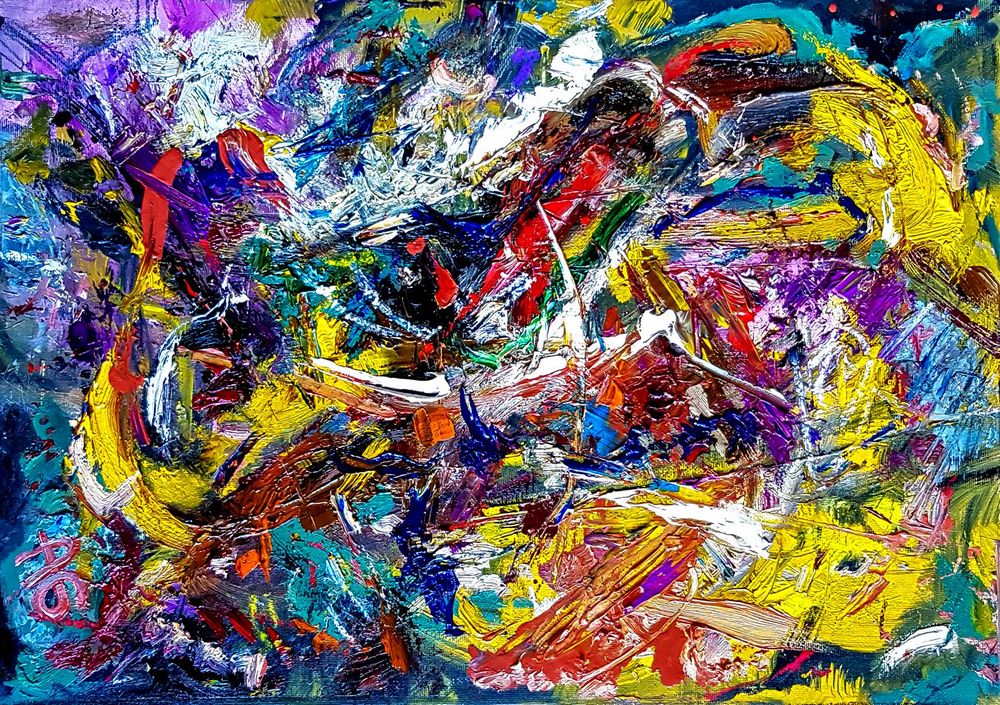
Then there is Formalist Abstractionism, which focuses on using lines and texture to create abstract and mysterious works. This style encourages the viewer to be interested in the lines and formal structure of the artwork and discover hidden depths and emotions in them.
In conclusion, these styles are just a part of the wide variety of abstraction in painting, and each artist develops and expresses their creativity in a different and unique way.
Influence of Abstraction in Painting on Contemporary Art
Abstraction in painting is an artistic style that focuses on using shapes, colors, and lines without clear or understandable content. Its influence on contemporary art is immense, as artists take on the challenge of creating innovative and inspiring artistic works.
In the abstract world, colors and lines behave like mirrors that allow us to see the world in a different way
Uri Rosenfeld – Painter and Guide
In the contemporary era, artists dedicate more time to caricature and simplifying shapes, using colors in a more abstract way. The result is paintings that convey deep and fascinating messages, without using specific figures or stories.
The influence of abstraction can be seen in the paintings of artists like Kandinsky, Paul Klee, and Frank Stella. They manage to convey their feelings and emotions through shapes and colors, providing viewers with a dazzling and intriguing visual experience.
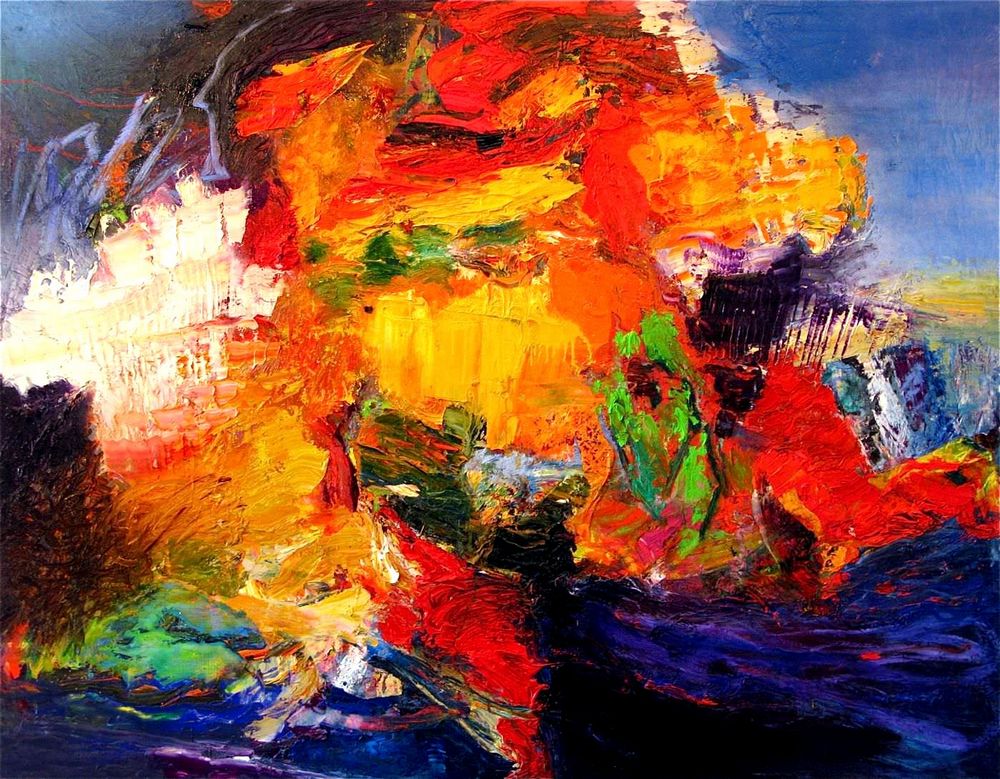
In summary, the influence of abstraction in painting on contemporary art is positive and refreshing. It stimulates the imagination and offers a unique visual experience that leaves a deep impression on viewers.
Techniques and Tools Used in Abstraction in Painting
Abstraction in painting is a type of art based on simplifying form and color without specific description. The technique of abstraction focuses on using abstract shapes and colors to create an image that expresses emotions, ideas, or desires.
When creating an abstract painting, the painter uses various tools to express the idea or emotion they want to convey. These tools include colors, brushes, palette knives, and more.
One of the key tools in abstraction is the intensive and bold use of colors. The painter can play with tones, multiple colors, and prominent color areas to create a sense of fluctuation and movement in the image.
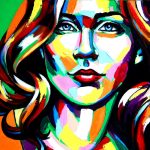
Abstraction allows us to deal with emotions and feelings in a more indirect and abstract way than daily reality
Shirley Cohen – Art Teacher
Additionally, techniques such as using bold lines, geometric shapes, and interesting intersections can contribute to the character of abstraction in painting. All these are common features of abstract art that give it a unique and original character.
In conclusion, the techniques and tools used in abstraction in painting are diverse and fascinating, allowing the painter to express their ideas and emotions in an original and spectacular way.
Movements and Leading Artists in the Field of Abstraction in Painting
Abstraction is a wide and rich field within contemporary art. In the early 20th century, many artists began to immerse themselves in creating abstract paintings, where only abstract shapes and colors can be seen, without familiar figures or landscapes.
Among the leading figures in the field are artists like Wassily Kandinsky, Piet Mondrian, and Alma Woodsey Thomas. These artists are known for their amazing abstract artworks that influence generations of other artists.
Abstraction allows artists to express themselves freely and focus on shapes, colors, and lines that interest them. It is an area where you can see the creativity and courage of the artist prominently.
Leading artists in the field of abstraction in painting include Nili Israeli, who presents stunning designs and color choices in her artworks. Nili is an artist who has made a significant impact on abstract painting in Israel and worldwide.
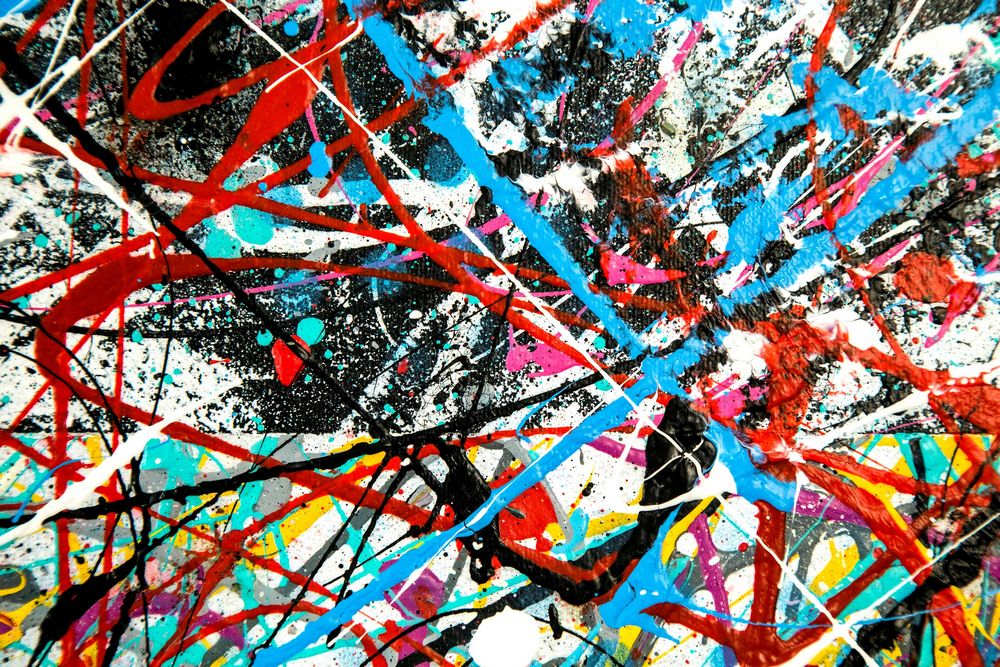
Abstraction in painting is a vast and fascinating world that offers artists many opportunities for expression and creation. Leading artists in this field continue to bring forth dazzling works that inspire and captivate viewers worldwide.