Movement in Dance: History and Origins
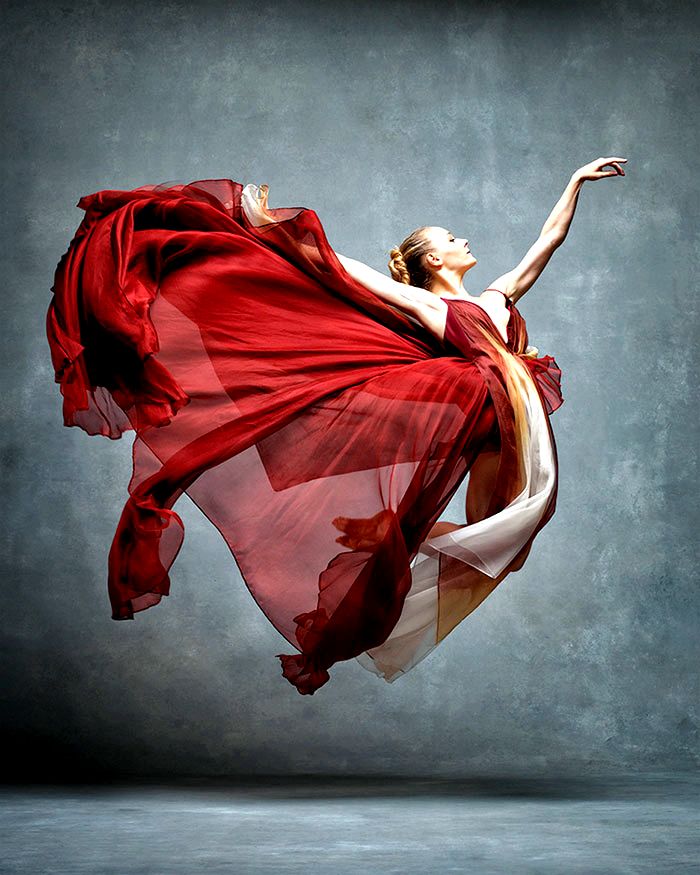
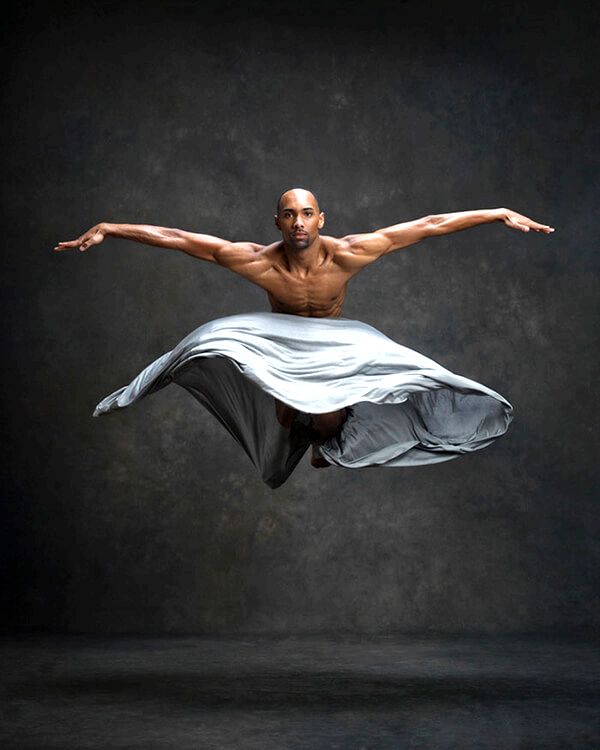
Dance is an art form based on movement. The development of dance has continued throughout history, and its influences are felt in every culture. The construction of dance and the movement within it reflect the values and morals of the society in which it is created.
The most basic feeling of dance is movement. This movement is carried out using the force of the body, time, and space. Dance can be performed on a dance floor, in an open space, or in any other environment. However, throughout history, dance movement has evolved and changed tremendously.
The origins of dance can be found in dozens of cultural and religious traditions. In many of them, dance served as a means of conducting ceremonies and tradition. In various cultures, dance developed as a means of expressing emotions, stories, and social values.
In the 20th century, with the development of modern art, dance also evolved. New styles, new approaches, and new methods of thinking and expression emerged. Today, dance is an integral part of popular and artistic culture worldwide.
Every movement reflects the human feeling
Shira Cohen – Dancer and Instructor
In conclusion, dance is an art based on movement and it influences the society and culture in which it occurs. The development of dance throughout history demonstrates humanity’s infinite ability to create and evolve through movement and artistic expression.
The Influence of Movement on Modern Art
Movement is one of the most important components in modern art. Its influence is distinctly felt in the works of leading artists such as Marcel Duchamp, Salvador Dali, and Pablo Picasso. Sophisticated and original movement can add an aesthetic and experiential dimension to creation, providing it with energy and motion, and enhancing the artist’s experimental ability to express themselves.
In dance, movement serves as a fundamental tool for expression and content creation. The dancer’s movement background, along with their ability to express emotions, thoughts, and ideas through movement, offers a variety of artistic and aesthetic experiences to viewers. A dance performance is created through a creative process of connecting movement, music, and stage lighting, producing a unique and spectacular creation.
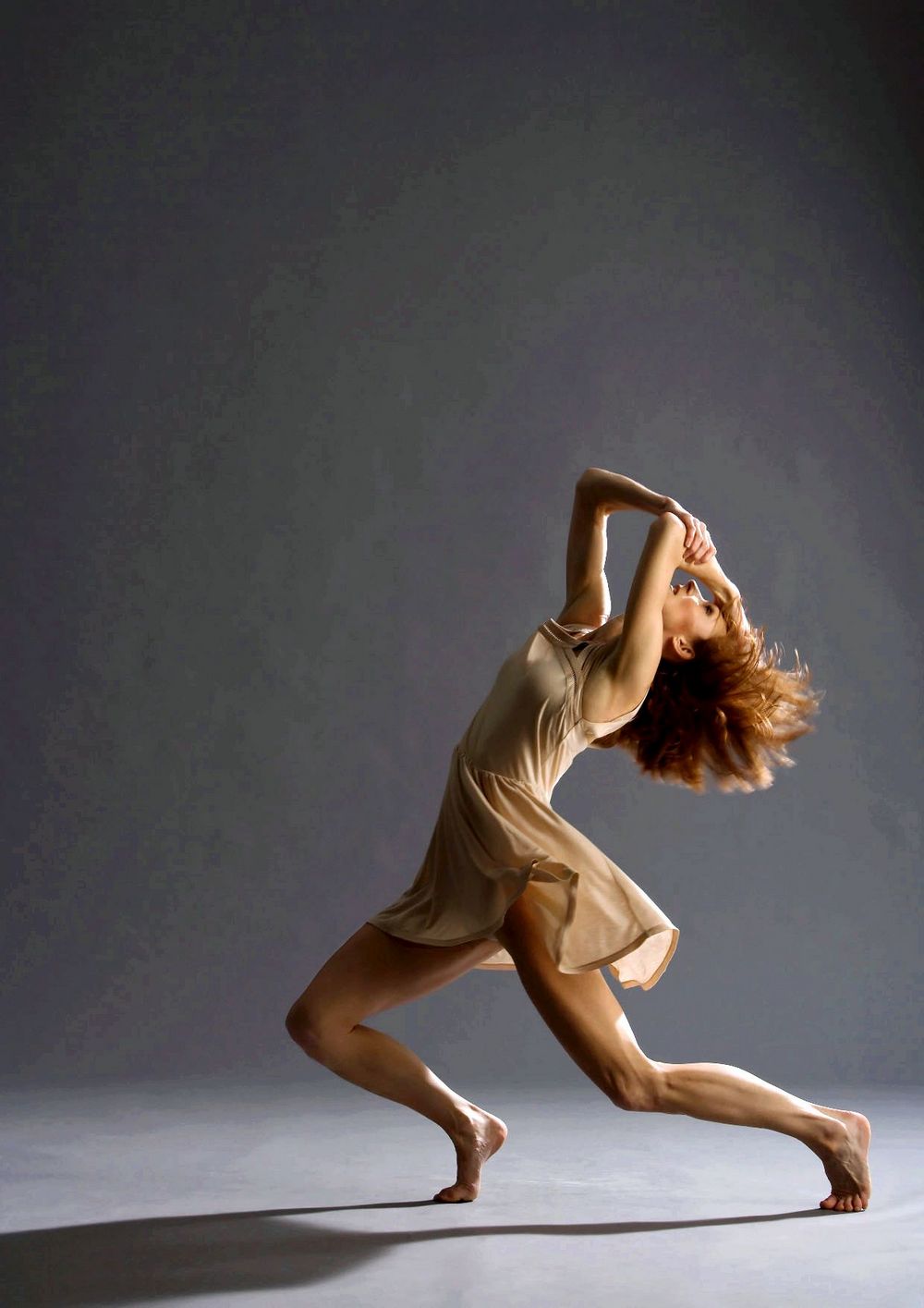
Modern art uses movement to influence the viewers’ emotions and perspectives. The use of abstract and geometric movement forms, the use of empty spaces, and bright and strong colors represent the ideas and values of the era. Movement in modern art enhances artistic expression and enables artists to express themselves in a new and original way.
The Influence of Modern Art on Dance
The influence of modern art on dance is a fascinating subject that arouses interest among art critics and artists alike. Dance as an art based on movement and body becomes a fascinating source of inspiration for modern artists.
Modern art focuses on understanding the human experience and seeking new ways to express human emotions and ideas. Through innovative techniques and fascinating creative methods, modern artists express their inner world in an original and captivating way.
The body is a creative tool in dance
Orit Cohen – Choreographer and Instructor
When discussing the influence of modern art on dance, one can see how dancers use concepts and ideas from modern art to create new and fascinating works. Movement, form, and space develop deeply and progress by using principles of modern art.
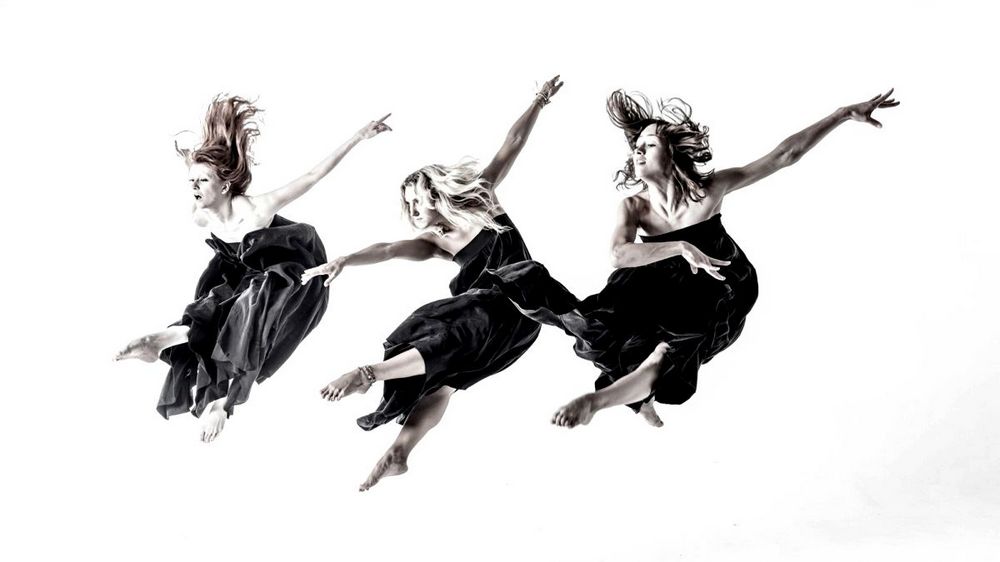
Modern dance allows artists to innovate and upgrade familiar movement concepts by using new and original ideas from modern art. This enables them to create works that combine classical heritage with modern innovations in a fascinating and spectacular way.
Modern Styles in Dance
Modern dance is an artistic field where various styles are combined and developed, expressing the ideas and values of the modern era. Some of the most modern styles in dance include:

- Abstraction: This style focuses on abstract and geometric movements, expressing the emotions and experiences of the social and cultural background of modern research.
- Expressionism: This style focuses on expressing the personal emotions and experiences of the dancer, using a variety of techniques to express philosophical ideas and perceptions.
- Minimalism: This style focuses on simplicity and avoiding unnecessary details, creating a wonderful and conceptual viewing experience.
- Post-Modernism: This style combines modernity and technology with values and ideas from the past, creating innovative and fascinating works.
In modern dance, the different styles blend and merge together to create unique and fascinating works that express the imagination and creativity of choreographers and performers. Through movement, dance, and music, they manage to express ideas and emotions in a unique and spectacular way.
The Meaning of Expression through Movement in Modern Art
Movement is one of the central elements in modern art, and the meaning of expression through movement in this art form is an integral and important part of modern artistic language. Movement serves as a way to express ideas, emotions, and experiences through body and emotional movement. Through synchronized and planned movement, the artist expresses their inner world and the meaning of the creation.
In modern art, expression through movement serves as a means to expose the artist’s soul and connect with viewers. Movement can be abstract and symbolic, conveying many messages non-verbally. Through movement, the artist can express their feelings, ideas, and intentions artistically and uniquely.
The combination of movement and art in modernism arises from a desire for innovation and creative change. In the 20th century, artists like Martha Graham, Merce Cunningham, and Pina Bausch sought to renew artistic expression through modern dance. They created works in which movement serves as a tool for expressing new ideas and connecting the artist with the audience.
In modern dance, society unfolds through movement
Roy Levi – Choreographer and Dancer
In summary, the meaning of expression through movement in modern art is central and important. Movement allows artists to express themselves in a unique and personal way, creating a deeper connection with viewers. Through modern movement, artists succeed in expressing innovative ideas and creating fascinating and spectacular works of art.
The Interaction between Dance and Modern Art in Israeli Culture
When discussing modern art in Israeli culture, one cannot ignore the development of dance art. Dance is a broad way in which artists express ideas, emotions, and experiences through movement and body. Modern dance is considered an advanced and innovative art form that combines an interesting interaction with the modernist elements and the uniqueness of Israeli culture.
Through dance, modern artists succeed in expressing themselves and their view of the world in a unique way. They use movement, body, and dance to create artistic works that encourage viewers to think, feel, and be excited. Through dance, they manage to convey social, political, and personal messages in a way that arouses aspiration and fascination in the audience.
The interaction between dance and modern art is clearly evident in Israeli culture, as many leading artists in the field combine the two domains in their works. Whether in modern dance parties, theater performances, or performances in museums and galleries, dance and modern art merge together to create a fascinating and exciting viewing experience.