History of Cities in Israel
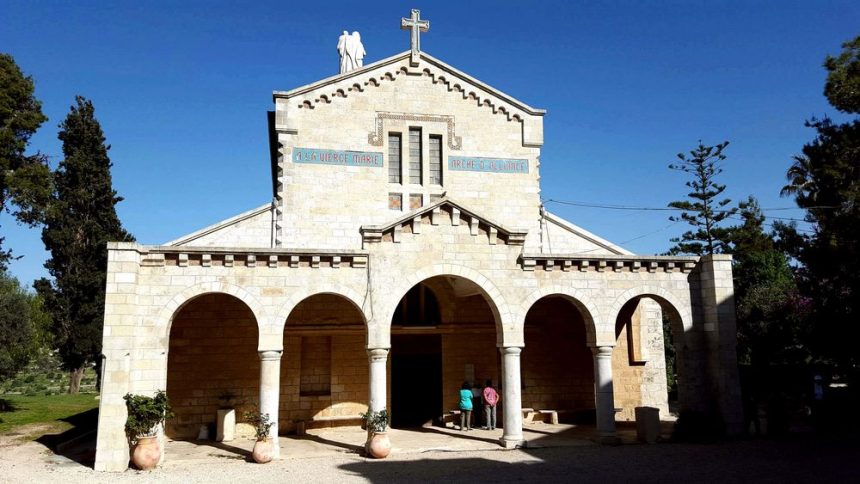
Cities in Israel represent a rich and diverse culture, reflecting the variety of cultures and religions in the country. The history of cities in Israel reflects the various historical and political processes that have affected the land from ancient times to the present day.
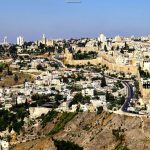
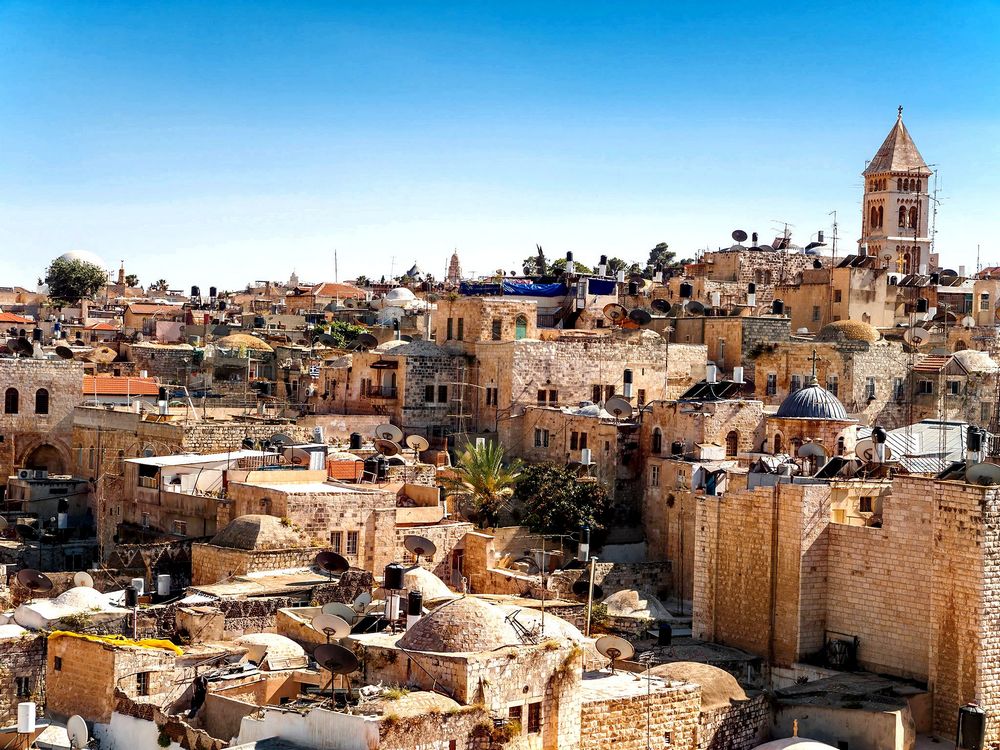
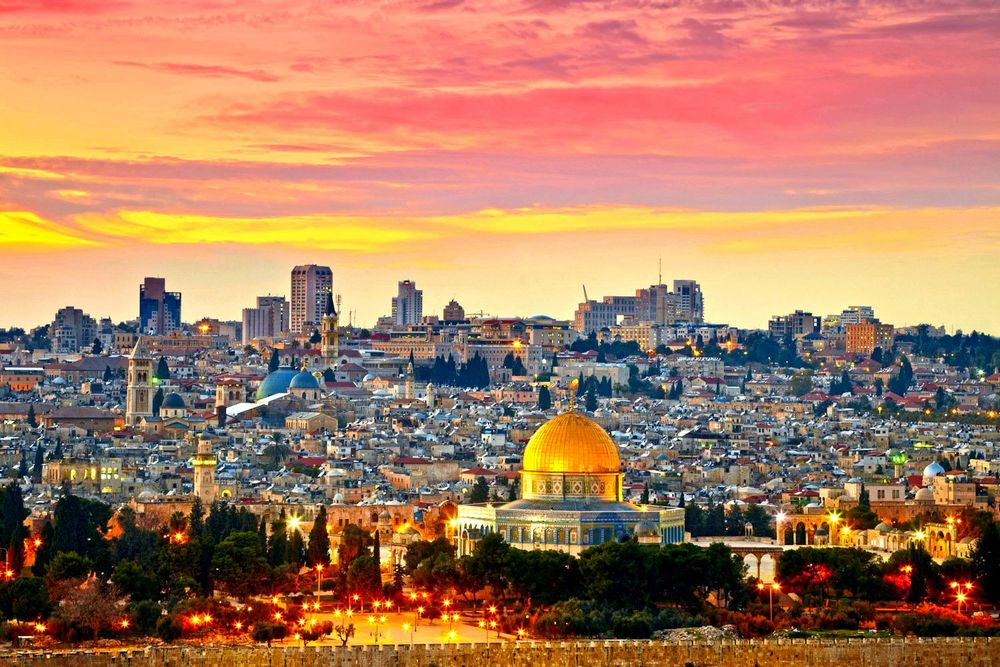
Among the oldest cities in the country are Jaffa, an ancient city that was under the rule of the Philistines, Canaanites, Egyptians, Hebrews, and Arabs. Jerusalem, the capital of Israel, is also an ancient city dating back centuries, and has been an important religious and political center throughout history.
With the rise of the Zionist movement and Jewish settlement in Israel, new cities were built such as Tel Aviv, the first Hebrew city in the country, Haifa, a city of Arab-Jewish coexistence, and Be’er Sheva, the modern city of the Negev. Each of these cities represents a different idea and culture, and their influences are evident in the culture, architecture, and daily lives of their residents.
Cities in Israel play a central role in the country’s cultural and social life, and their history reflects the cultural diversity and richness of the land. The development of cities in Israel reflects the social and cultural changes that have taken place over the years, and the influences they have on daily life in the country.
Influence of Jewish Culture on Cities
Jewish culture is an integral part of the growth and development of cities in Israel. Since ancient times, Jewish culture has been central and has influenced the appearance of cities, their architecture, and daily life. In every city in Israel, one can see the influence of Jewish culture in various areas such as art, music, food, and holidays.
Jewish culture uniquely and interestingly reflects on cities in Israel. Through the special Jewish holidays such as Passover, Rosh Hashanah, and Yom Kippur, one can see their influence on urban life. Kosher restaurants, synagogues, and unique culture are just some examples of the influence of Jewish culture on cities in Israel.
In addition, Jewish culture influences the architecture of cities in Israel. Magnificent synagogues, traditional Jewish houses, and neighborhoods with distinctive Jewish ideas are just some examples of the influence of Jewish culture on the architecture of cities in the country.
In conclusion, the influence of Jewish culture on cities in Israel is central and affects every aspect of daily life in cities, from food and art to architecture and holidays.
Influence of Arab Culture on Cities
Arab culture is an integral part of the cultural landscape of Israel. Its influence is particularly noticeable in the larger and central cities in Israel, affecting the population, architecture, music, art, and overall culture of the cities.
The diversity of cultures in cities brings enrichment and innovation
Avi Cohen – Director of Culture and Leisure Department in Netanya Municipality
The influence of Arab culture is expressed in language, food, music, and dances. In the streets of cities, one can find restaurants and stores offering Arab products and food, contributing to making the city a multicultural and diverse place.
The Israeli cities’ architecture reflects the influence of Arab culture. In the modern city buildings, one can see Islamic and Arab elements that give the cities their unique architectural style.
Arab music and dances are present in every corner of Israeli cities, and their contribution to the local culture is significant. Musical performances and Arab-style dances take place in clubs and festivals throughout the cities in Israel.
Modern Cities in Israel
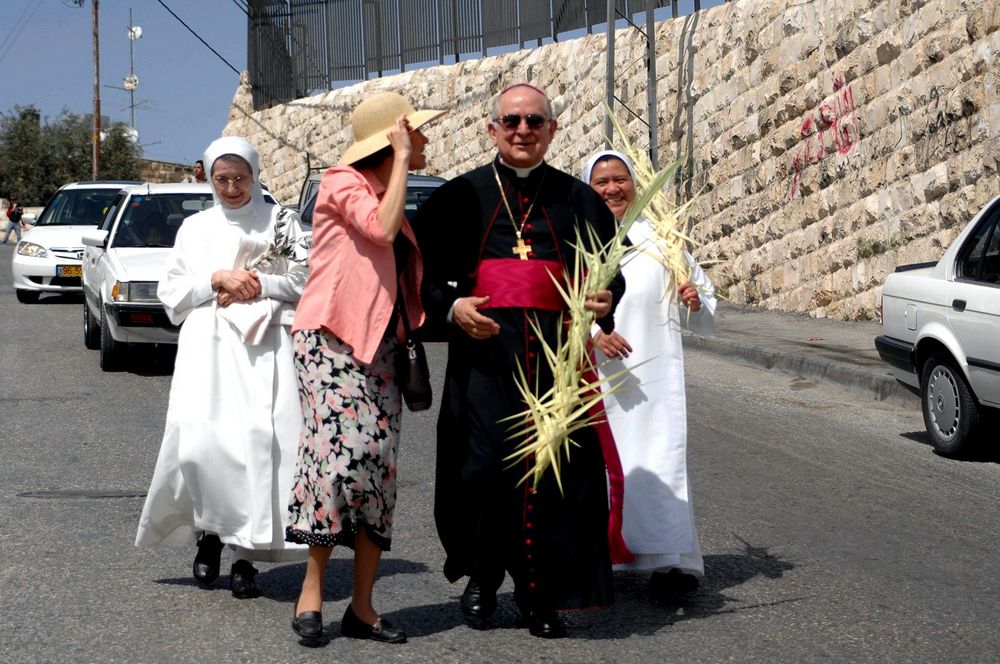
Modern cities in Israel are important cultural and lifestyle centers in the country. With the rapidly developing technology and innovation industry, modern cities offer unique experiences for visitors and residents alike.
Tel Aviv, the vibrant and warm city of Israel, offers a wide range of cultural attractions, famous cafes, and beautiful beaches for leisure and recreation. Jaffa, the traditional old city within Tel Aviv, offers stunning streets and an old market with local products and art.
When cultures meet, a cultural flourishing occurs
Miriam Cohen – Culture Center Manager in the city of Rehovot
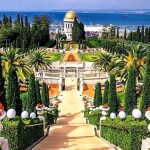
Haifa, the most northern modern city in Israel, offers its enchanting and unique atmosphere. With the international airport and large industrial center, Haifa is an important economic and cultural center in the country.
Raanana, the young and active city in the center of the country, offers modern city life and numerous cultural activities for its residents. With advanced public transportation and modern shopping centers, Raanana is one of the most modern cities in Israel.
Ethiopian Culture in Cities in Israel
Ethiopian culture is an important part of the cultural diversity in cities in Israel. The Ethiopian community in Israel integrates impressively into society and creates a unique culture based on ancient traditions and their origin culture.
In cities like Tel Aviv, Jerusalem, Haifa, and Be’er Sheva, one can find a wide range of Ethiopian music, dances, art, and food. Ethiopian restaurants in these cities offer traditional and delicious dishes such as Injera, Engera, and Ingudi.
In addition, the Ethiopian community offers a unique and powerful perspective on the culture of art, literature, and music in Israel. Ethiopian artists like Meir Litov, Tzigi Marga, and Milk Mandelson have been widely recognized and appreciated among the cultural community in Israel.
Moreover, the Ethiopian community participates in many cultural activities in cities in Israel, such as festivals, art exhibitions, and music performances. Their influence on Israeli culture is felt in every artistic and cultural space in the country.
Russian Culture in Cities in Israel
Russian culture significantly contributes to the life of the city in Israel, following the large immigration of Jews from Russia and the Soviet Union. This culture influences the music, art, literature, and cuisine of Israeli cities, adding diverse and rich cultural activity to the urban community.
Russian music is significant in cities in Israel, with performances by Russian singers and bands from the Russian sector. Additionally, football culture in cities like Haifa and Ashdod reflects the Russian influence, with calm matches and organized sports.
Russian art is found in galleries and exhibitions in many cities in Israel, and Russian stage culture is expressed in theaters and cultural institutions throughout the country. Russian literature is translated and featured in the city libraries in Israel, influencing and enriching the local literature.
Russian cuisine is found in many restaurants in cities in Israel, and Russian-Jewish cuisine is an important food culture in Israel. Russian cultural activities in cities in Israel provide a unique color and taste to urban life.
Influence of Druze Culture on Cities
Druze culture is one of the diverse cultures in Israel and positively influences Israeli society. The Druze are a religious-national community mainly residing in the northern part of the country, in the Galilee region and Mount Carmel. They have ancient folk traditions and preserve unique religious and social values.
The influence of Druze culture is particularly noticeable in cities in northern Israel, such as Haifa and Acre. In these cities, there are many Druze institutions that promote Druze culture and offer cultural and educational activities to the city’s residents. Additionally, most Druze residents in cities participate in urban life and bring their cultural experience and traditions to the city’s culture.
Culture is the spiritual center of every city
Yossi Levi – Culture Center Manager in the city of Petach Tikva
Furthermore, the Druze present unique art and culture in various fields such as music, dances, and handcrafted art. They participate in festivals and exhibitions throughout the country and introduce Druze culture to the general audience.
In conclusion, the positive influence of Druze culture on cities in Israel is felt in every aspect of them. The Druze contribute positively to society and bring unique values and traditions that enrich Israeli culture in every city they reside in.