1. The Temple Mount
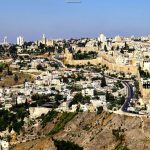
The Temple Mount is the holiest place in Jerusalem, serving as the site of worship for the First and Second Temples. The Western Wall, the last remnant of the Second Temple, is located on the Temple Mount. The place is sacred to two major religious traditions – Judaism and Islam, and it is a spiritual and cultural center in the ancient city of Jerusalem. The Temple Mount serves as an important place for prayer, tours, religious events, drawing thousands of believers and visitors from around the world. The place is marked by magnificent architectural and historical elements, testifying to the religious and cultural heritage of the Jewish and Islamic people over the years. Today, the Temple Mount is a major center for cultural and religious tours in Jerusalem, offering a fascinating place to visit and experience the deep history of the city.
The Western Wall
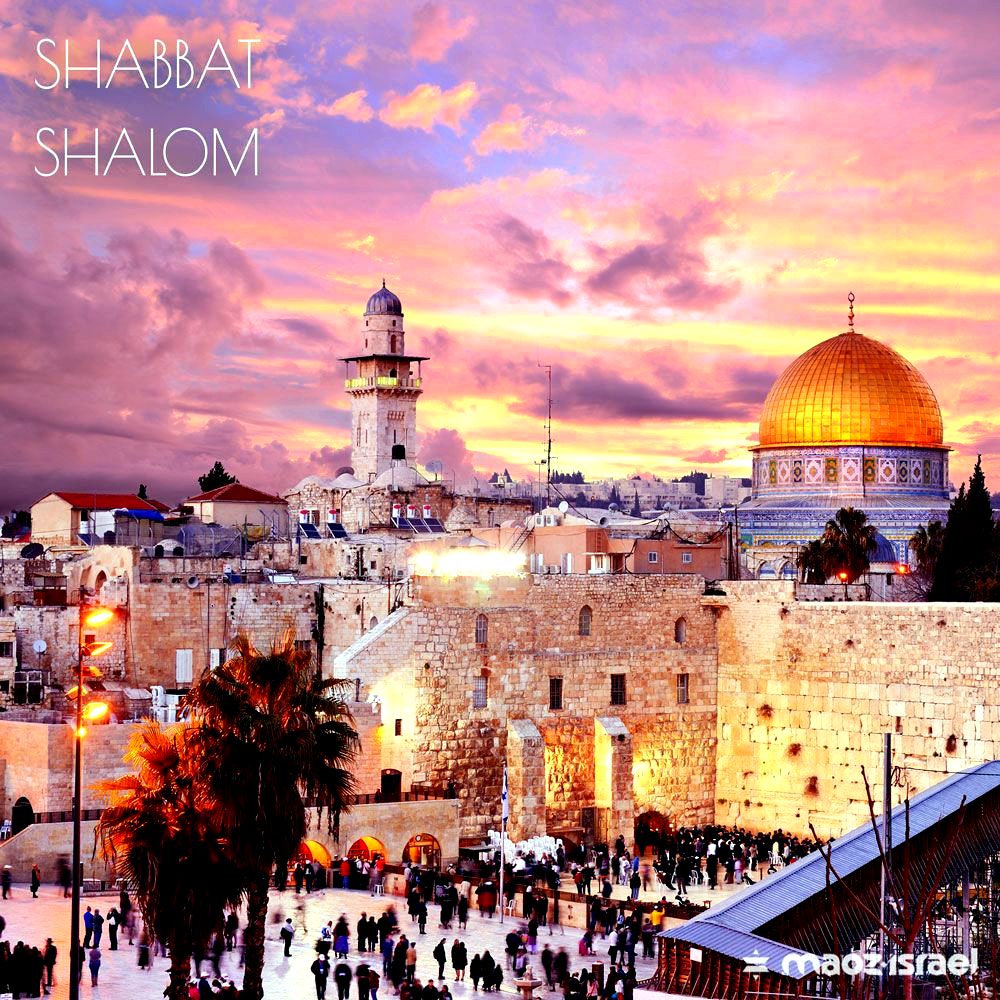
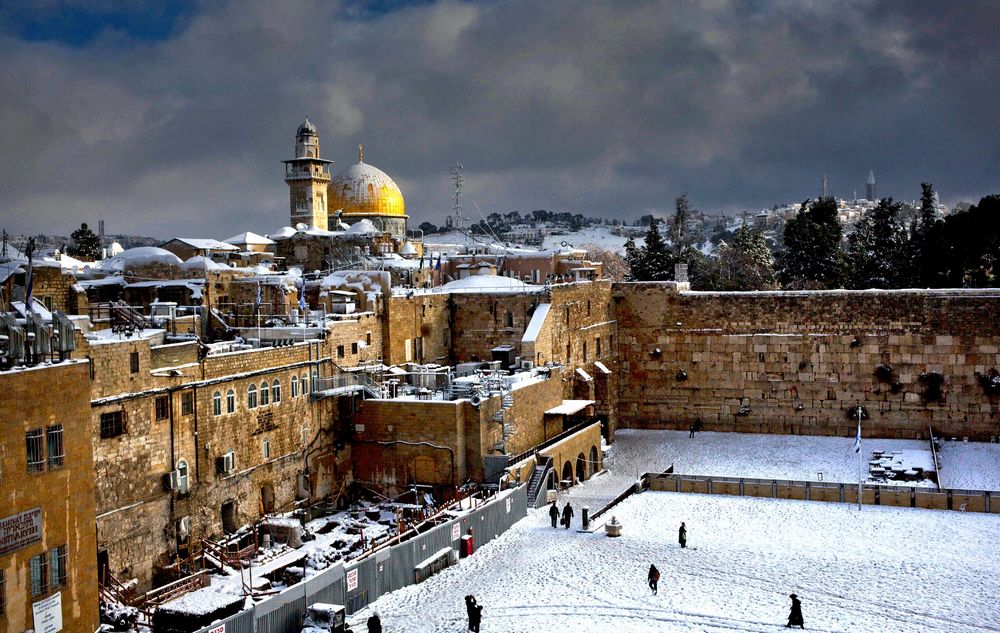
The Western Wall, also known as the Wailing Wall, is one of the holiest places in the ancient city of Jerusalem. The Western Wall is actually the western part of the Western Wall of the Temple Mount, the sacred mountain where the First and Second Temples were built. During the Second Temple period, the Western Wall was the western boundary of the Temple.
Zion and Jerusalem will be sanctified in righteousness and justice
Isaiah the Prophet
The Western Wall is a central place for prayer and tours today, surrounded mainly by the Temple Mount and the Mount of Olives. On its western side is the Anglican Church, also known as St. John’s Church. On the sides of the wall are remnants of Jewish synagogues from the Second Temple period and the times of the Second Temple, as well as remnants of the Temple Wall.
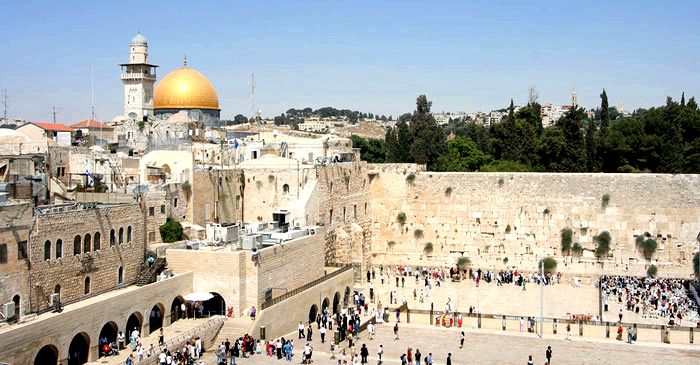
During Arab rule in Jerusalem, Jews were not allowed access to the Western Wall, and only during the Six-Day War in 1967 did the Western Wall return to Jewish control. Since then, the Western Wall has become a central site for prayer and tours for Jews from around the world.
Unfortunately, the Western Wall is also under the influence of extreme right-wing ideologies that try to disrupt its religious and historical status. Most visitors and worshippers at the Western Wall are normative Jews, but there are also ultra-Orthodox worshipers who change their path within the sacred area.
3. Rachel’s Tomb
Rachel’s Tomb is located in northern Jerusalem, in the neighborhood of Bethlehem. Rachel, the wife of our forefather Jacob, was buried there on the way to the land of Israel. The place is a holy site and an important prayer center for Jewish women. The number of stones covering the tomb attests to the large number of prayers held at the site.
In addition to Rachel’s Tomb, the area also includes Rachel’s Spring and Rachel’s House – places where souls come to pray and seek mercy. The place also serves as an important meeting point for women who pray for offspring.
According to tradition, Rachel prays for the seeds of Israel and asks for mercy upon them. The sense of holiness and spirituality in the place makes it a special and moving place for all who visit it.
In every corner of the land, a holy memory moves the heart and stirs the soul
Hayim Nahman Bialik – Poet
Entrance to Ein Karem in Jerusalem
Ein Karem is one of the most important holy places in Jerusalem. The place contains the burial site of Rabbi Shimon bar Yochai, also known as Rashbi. Rabbi Shimon is the nickname of Rabbi Shimon ben Yochai, a disciple of Rabbi Akiva, considered one of the greatest sages in the Mishnah. Believers traditionally come to this place to pray, ask for mercy, and fulfill vows.
The entrance to Ein Karem consists of a large and impressive key, symbolizing the entrance to the holy place. A red thread hangs at the entrance, representing the connection between heaven and earth. On the sides of the entrance are biblical inscriptions that strengthen faith and connection to God.
The place also boasts a palm tree considered one of the holiest trees in Jerusalem, which flourished in the location due to the miracles and wonders that occurred in Ein Karem. According to Kabbalistic secrets, the tree symbolizes life and growth, and its development signifies the spiritual growth and advancement of a person.
5. Har Meron Tomb
The Har Meron Tomb is a holy place in Israel located in the city of Meron in the western Galilee. The place is mainly known for the tomb of Rabbi Shimon bar Yochai, also known as “Rashbi.” Rabbi Shimon bar Yochai was a disciple of Rabbi Akiva and is considered one of the greatest sages in the Talmud. According to tradition, Rabbi Shimon bar Yochai and his son, Rabbi Elazar, hid in a cave on Mount Meron for three years to escape the Roman persecution. The Zohar, one of the most important Kabbalistic works in Judaism, was written at this location.
Every year on Lag BaOmer, five days after Passover, the central celebration of Lag BaOmer takes place at this location. Thousands of Hasidim from all over the country come to visit the Har Meron Tomb to celebrate and pray. Kabbalistic tradition teaches that on this day, the students of Rabbi Akiva who perished in a plague during the Talmudic period, and therefore on this day, memorial ceremonies and joyous celebrations are held.
Historically, the Har Meron Tomb is one of the oldest burial sites in Israel, serving as a center for prayer, worship, and study for hundreds of years. The place is surrounded by lush vegetation and offers a green and pastoral view for visitors. Those seeking a moment of peace and tranquility are invited to visit the Har Meron Tomb and immerse themselves in the atmosphere of holiness and mysticism that permeates the place.
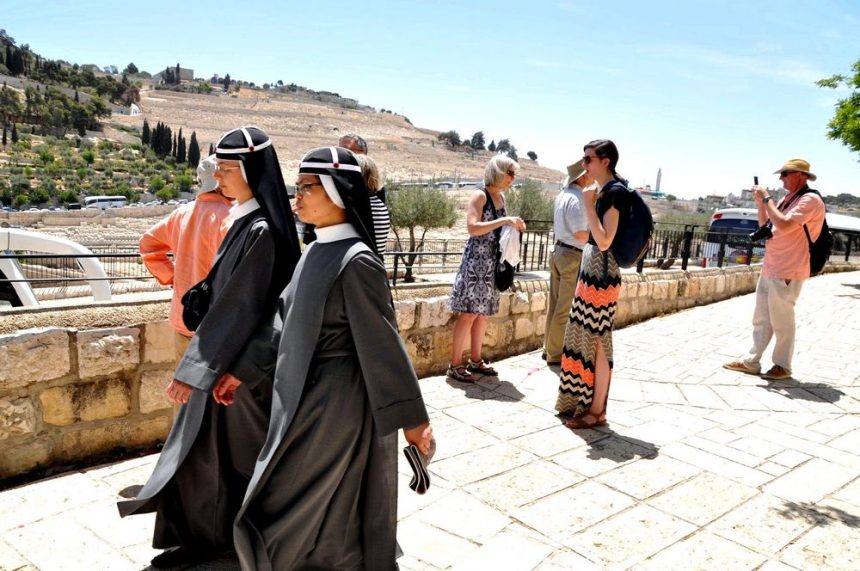
The Mount of Olives offers panoramic views that are moving and inspiring
Amos Oz – Tour Guide
6. Cave of the Patriarchs
The Cave of the Patriarchs is a holy cave in the city of Hebron in Israel, serving as a sacred burial place for Abraham and Sarah, Isaac and Rebekah, and Jacob and Leah. The cave dates back to biblical times and is a holy place for Judaism, Christianity, and Islam. The cave contains four tombs, one for each of the mentioned holy couples. Tradition for many years recounts that the Cave of the Patriarchs was privately owned by the Philistines and was acquired by Abraham at a high price. The cave also contains ancient Roman and Byzantine walls, testifying to the deep connection of the place to ancient times. The Cave of the Patriarchs serves as a revered religious complex, and every year hundreds of thousands of Hasidim and believers from all faiths and beliefs come to pray and contemplate in the holy place.
7. Dead Sea
The Dead Sea is one of the holy places in Israel mentioned in the Bible and Jewish tradition. The sea contains salt pools and hot springs that assist in the healing of skin diseases and other medical conditions. There are hotels and natural therapy centers surrounding the sea, offering healing and rejuvenation services to people from around the world.
At the Dead Sea, one can find the famous mineral springs, where one can observe a unique blossoming of life. The place serves as a spiritual and tourist center for believers of various faiths, who come to visit the holy place and renew themselves in an atmosphere of peace and tranquility.
At the Dead Sea, one can also find the Judean Desert, where spiritual journeys and religious demonstrations take place. The desert is a place to admire the beauty of nature and get closer to God in a more calm and profound way.