What is Nature Conservation
Nature conservation is a process in which actions are taken to preserve natural areas and the ecological systems within them. The main goal of nature conservation is to preserve biological diversity and ecological balance in the environment. When species diversity in the environment is preserved, the existence of different organisms and balanced ecological systems is ensured.
Nature conservation includes various actions, such as protecting natural areas from clearance and explosions, preventing the eviction of living species, proper management of forests and marine areas, and promoting the use of green technologies and eco-friendly practices. Nature conservation is a central principle in urban development and planning, and it also influences transportation policy and public infrastructure.
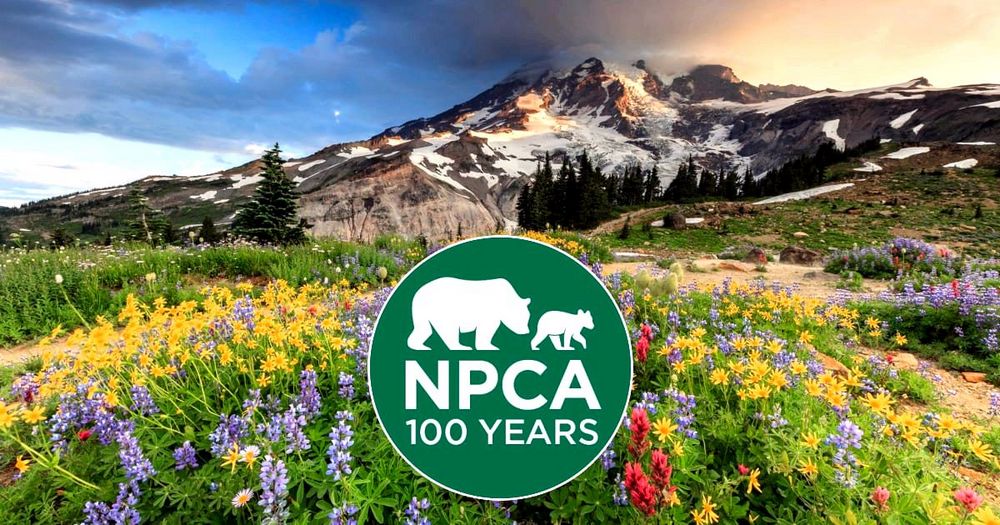
Various tools are used for nature conservation, such as monitoring liquid activities, creating national parks, and preserving natural sites. Additionally, it is important to emphasize the importance of education and training in the field of environmental and nature conservation, in order to provide the public with tools to act responsibly and collaboratively for the sake of the environment and ecological systems.
Nature is not a place to demand what we want, but to accept what it offers us.
Yehuda Amichai – Philosopher
The Importance of Nature Conservation
Nature conservation is crucial for the environment and for all living organisms within it. Nature constitutes the life system of planet Earth and allows us to develop and live in a healthy and balanced manner. It is important to understand that everything we do to the environment ultimately affects us.
Nature conservation helps maintain balance among living organisms and prevents the spread of bacteria and infectious diseases. Additionally, it helps preserve soil acidity processes and restoration, thus promoting efficiency in agricultural practices and cultivation.
Furthermore, nature conservation contributes to preserving unique plant and animal species that cannot be found in other areas. It is important to preserve natural species diversity in order to protect different organisms and prevent genetic depletion.
In conclusion, it is very important to understand and appreciate the importance of nature conservation and to take an active role in preserving a clean and healthy environment for future generations. Let’s roll up our sleeves and protect our planet together!
Environmental Threats and How to Combat Them
Environmental threats are a common phenomenon in our times, posing a significant threat to the future of the Earth. Industrial processes, natural resource consumption, and the dispersal of harmful waste contribute to damaging the natural ecosystem and the quality of air, water, and soil.
How can we combat environmental threats? In order to protect our environment and preserve our nature, we need to start acting now. There are many directions in which we can act, and here are some ways to contribute to nature conservation:
- Energy conservation: Investing in efficient electrical tools, such as LED bulbs and eco-friendly air conditioners, can reduce energy consumption and preserve environmental resources.
- Recycling: When we recycle waste, we reduce the amount of waste circulating in the environment and increase the reuse of materials.
- Winter conservation: Promoting the preservation of ecological systems through winter conservation processes and forest growth.
- Emissions reduction: Implementing regulations to reduce civil and industrial emissions provides an additional way to combat environmental threats.
Efforts to conserve the environment require collective effort and a national perspective. Together, we can fight the threat and preserve the Earth for future generations.
When nature cries out, people must listen.
Rachel Ezra – Writer and Environmental Activist
Simple Actions to Preserve the Environment in Everyday Life
1. Save water usage – close the tap while brushing and when the temperature is high, thus reducing water consumption.
2. Choose products made from recycled materials – this will save the environment and promote material recycling.
3. Use public transportation or electric vehicles – reduce harmful gas emissions and minimize atmospheric impact.
4. Air dry laundry – save on water heating usage and avoid environmental harm by heating with liquid water.
5. Purchase products in recycled packaging – pay attention to reducing waste and help the environment sustain.
Projects and Events to Promote Nature Conservation
Nature conservation is an important issue that affects us all and future generations. In order to promote the conservation of our environment, various projects and events are carried out throughout the country. These are part of the important and central efforts to promote nature conservation.
Within these projects, one can find various activities such as nature cleanups, creating public gardens, guided tours to identify plants and animals, and more. Everyone can participate and contribute to the community effort to preserve their environment.
Events such as stargazing, outdoor theater performances, nature days, and workshops for creating magnificent paintings of plants and animals allow the general public to admire the beauty of nature and understand the importance of conservation.
We don’t always have something to give to nature, but we always have something to learn from it.
Avi Dror – Architect and Philosopher
Participating in projects and events for nature conservation is not only an educational and enjoyable experience but also a way to contribute to the community and make a positive change in our environment. Each of us needs to invest a little time and attention to preserve our beautiful nature.
The Impact of Nature Conservation on Health and Quality of Life
Preserving nature is important for our health and quality of life. Our health depends on the natural balance of the environment in which we live. When we preserve nature, we sustain the ecological system and receive in return its contribution to our health and quality of life.
Preserving forests, clean water, pure air, and biological diversity are just some of the essential components for our existence. When we harm the environment and damage nature, we harm ourselves as well. The impact of pollution and waste on the environment can lead to diseases and health problems such as asthma, skin inflammations, and infectious diseases.
However, it is possible to improve the situation and influence the process of conservation and improvement of the environment in which we live. Each of us can contribute to the benefit of the environment and improve our health and quality of life. Simple tips such as plastic waste disposal, using public or walking transportation, and saving natural resources can lead to a significant improvement in environmental quality and our health.
In the end, preserving nature is also preserving ourselves. We must understand that every small act of environmental conservation can lead to a significant positive change in our lives and the lives of future generations.