
1. The Influence of Emotions on Artistic Creation
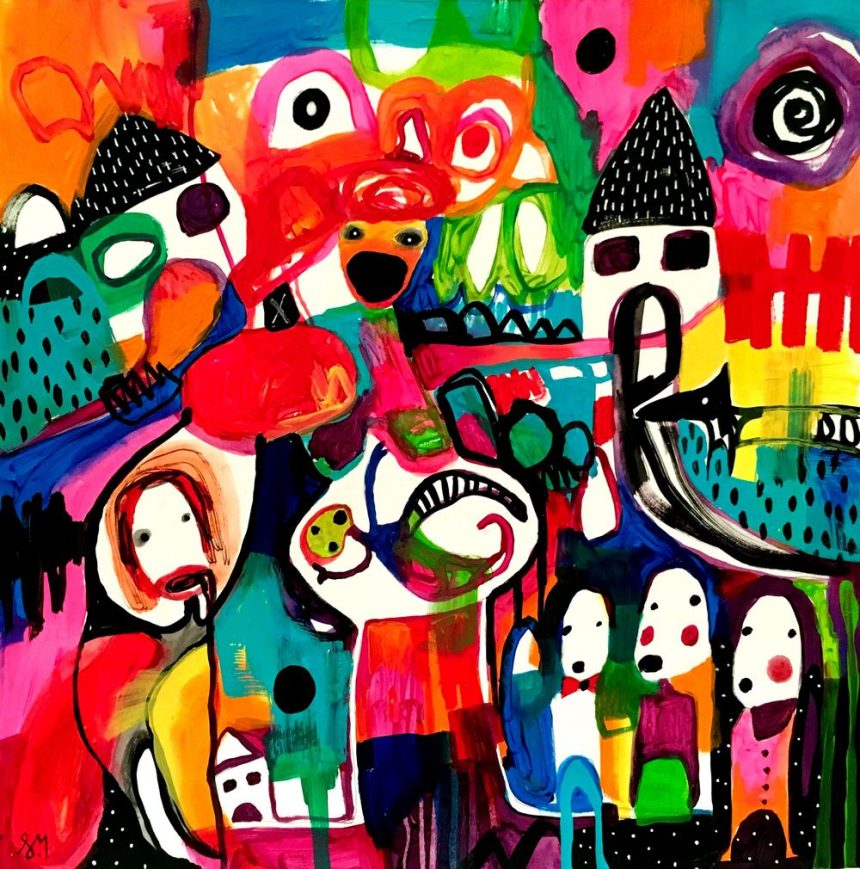
An artist’s feelings and emotions deeply influence the artistic creation they produce. The personal emotions of the artist, such as love, sadness, happiness, or even anger, are reflected through their artistic creation. Modern art represents the artist’s personal feelings and experiences in a unique and fascinating way.
When an artist relies on their emotions to create an artwork, they bring their inner world to the audience and create a deep connection with viewers. The recipients are reflected in the artwork and connect to it through the emotions and feelings it evokes in them.
The influence of emotions on artistic creation can lead to the creation of wonderful and captivating works that excite and interest viewers. Emotions like sadness, happiness, love, and anxiety influence every detail in the artistic creation, from colors and shapes to the overall feeling it conveys.
Modern art allows us to understand our emotional world in a deep and profound way
Nathanel Golan – Art History Teacher
In the end, a successful artistic creation is one that manages to convey the artist’s emotions and feelings to the audience, creating a strong and emotional connection with viewers and leaving each of them with a deep imprint of a unique artistic experience.

Emotions and World Perception in Modern Artists’ Eyes
Modernism art reflects deep emotions and an inspiring perception of human heritage. Modern artists present their inner world through their dazzling works, seeking to evoke emotions and reveal the inner truth in their hearts.
At the height of the modernism movement, it is important to understand the deep values and emotions that drive artists in their creation. The modern perception of the world focuses on human emotions, space, time, and aims to create artworks that will last for generations.
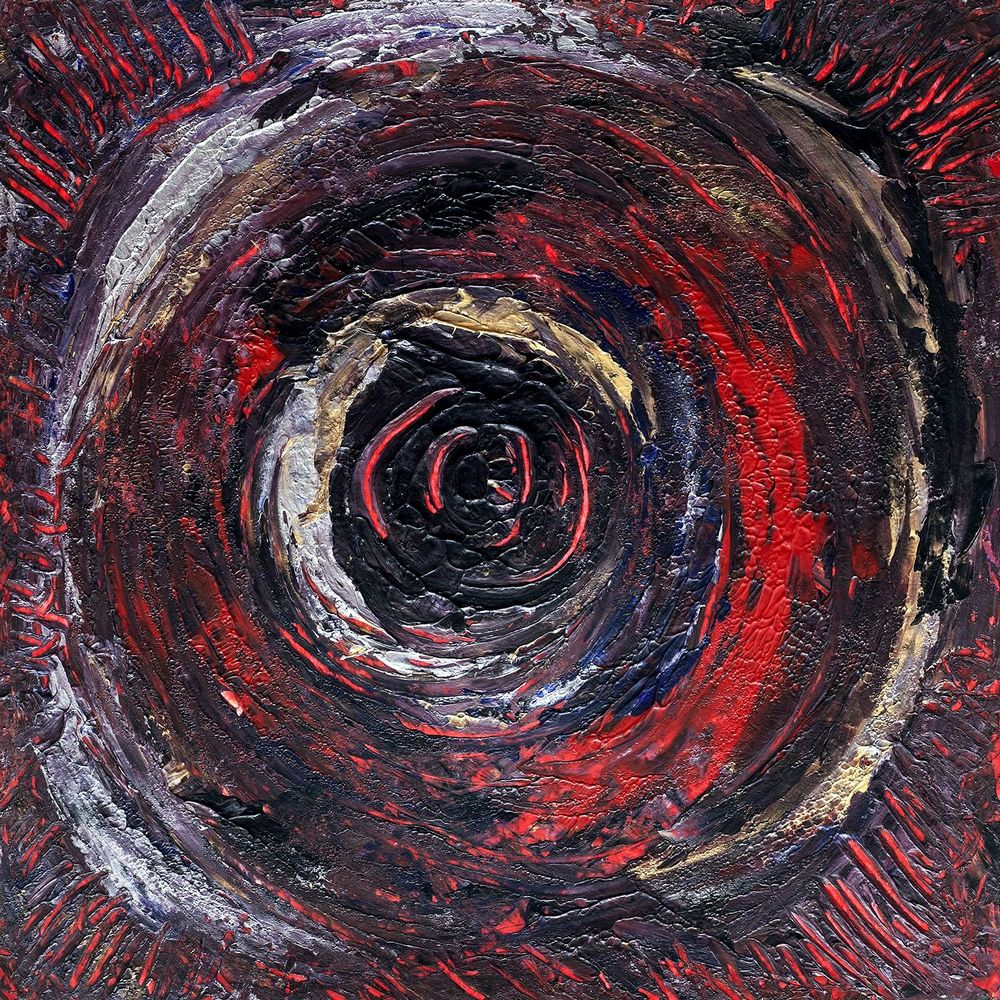
When entering a modern art museum or gallery, we encounter works that influence our emotions and evoke in us a desire to reveal the inner truth. Modern artists seek to convey the message in their hearts directly to the human soul.
In their works, modern artists use various tools and techniques to bring to life their deepest emotions and perceptions. Each painting, sculpture, or other artwork exemplifies the internal process the artist went through and the message they want to convey to the viewer.
In summary, the emotions and world perception in the eyes of modern artists reflect their search for inner truth and emotional transparency. Their works inspire and shape human culture in a deep and fascinating way.
3. Using Colors and Shapes to Ensure Emotional Depth
Using colors and shapes is one of the key methods for creating emotional depth in modern art. As artists focus on finding new and original ways to ensure that their works can evoke deep emotions in viewers.
In modern art works, we can see a wide use of strong and bright colors, aiming to catch the viewers’ attention and evoke various emotions in them. When they use warm and central colors, they can create a sense of warmth and love, while the use of cool and subdued colors may evoke feelings of sadness and melancholy.
Furthermore, the use of complex and intriguing shapes may help create emotional depth in art. These shapes can create feelings of pleasure, falling, or even a sense of despair, depending on the context and the special use the artist chooses for each work.
Thus, it can be seen that the use of colors and shapes in modern art serves as a key tool for creating emotional depth and conveying an emotional message deeply into the viewer’s heart.
The Influence of Social and Cultural Background on Modern Art
The influence of the social and cultural background on modern art is personal and fascinating. Modern artists understand that their social and cultural background influences their creation, pointing to different creative processes and influences.
Human emotions flow into his artistic creation, an emotional response of the artist to his inner world
Rachel Barak – Rhetoric Artist
The social and cultural background of the artist affects the subjects they choose to focus on in their creation. The social and cultural reality in which the artist lives affects how they draw, photograph, work in ceramics, or work in any other field of modern art.
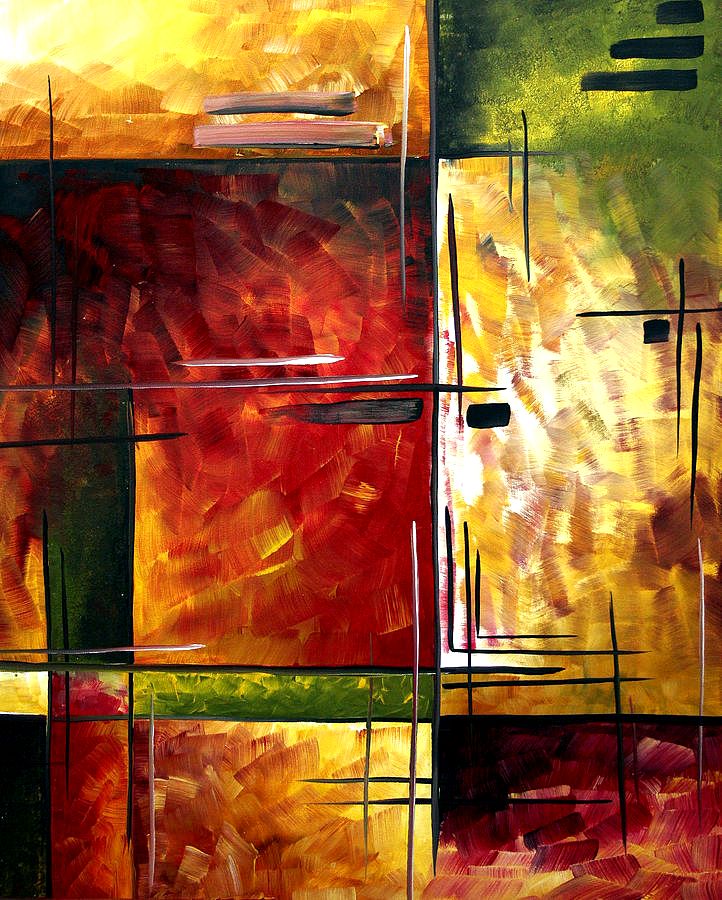
The influence of the social and cultural background also affects the techniques and styles the artist chooses to use. Today’s art reflects the trends and changes in society and culture in which it is created.
In conclusion, every modern artwork is a result of the social and cultural background of the artist. Understanding the social and cultural judgment of the artist may improve our understanding of the depth of emotions and thoughts behind their works.
5. The Artist’s Inner World Perception and Its Influence on Creation
In the world of modern art, the artist’s inner world perception serves as a primary source of inspiration and has a tremendous influence on the creation they produce. The artist is reflected in their work, and the emotional and spiritual processes within them directly influence the form of creation and the message they intend to convey to viewers.
The emotional depth in modern art invites us to contemplate our world in a new and fascinating way
Amit Cohen – Sculptor and Guide
When the artist delves into their inner world, they discover moments of truth and authenticity revealed in their creation. By focusing on their deep emotions and thoughts, the artist can create works that excite viewers and provide them with deep and fascinating emotional experiences.
The influence of the artist’s inner world perception on their creation is expressed in various forms, such as in the choice of colors, shapes, textures, and symbols they use. All of these convey deep messages that allow viewers to connect to their creation and feel the emotions and ideas it evokes in them.
Every artist has a unique inner world that influences every creation they make. The more an artist can express their internal emotions and thoughts through art, the more their creation deeply and powerfully influences viewers and culture at large.
The Influence of Technology and Digital on Emotional Depth in Art
Technology and digital are an inseparable part of our daily lives in the modern age. In the field of art, we have also seen tremendous changes in the use of technology and digital media. The central question is how the use of technology and digital affects the emotional depth in modern art works.
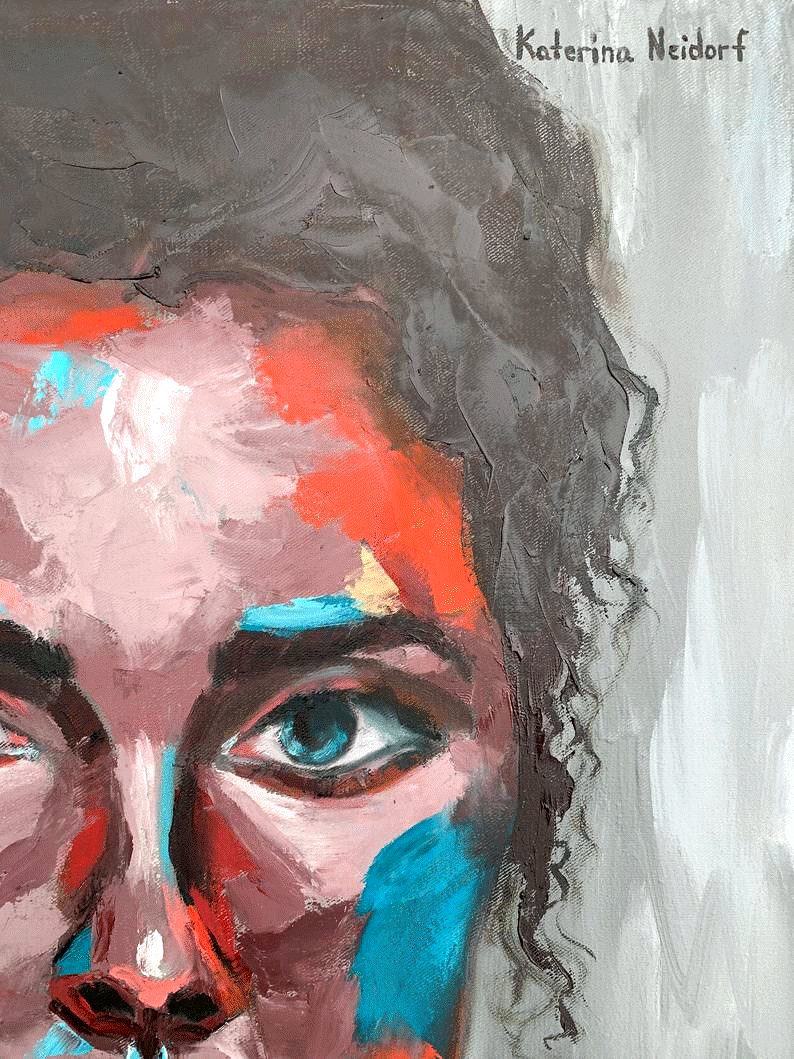
Technology and digital allow artists to express themselves in new and original ways. They can create artworks that use advanced technology such as graphic software, digital reboots, and more. This enables them to express their ideas and feelings in a dazzling and captivating way.
However, some argue that the use of technology and digital gives artworks less emotional depth. They claim that technology diminishes the human connection between viewers and the artwork, providing them with a less personal and captivating viewing experience.
In the end, the influence of technology and digital on the emotional depth in art is a complex subject that arouses great interest in the field. It is important to carefully examine the advantages and disadvantages of using technology and explore the profound implications of each method on artistic creation.
Dialogue Between the Viewer and the Artist’s Creation: Do Emotions Enter Inward or Outward?
In modern art, the emotions and feelings aroused in the viewer are an inseparable part of the artistic experience. Do only the viewer’s emotions touch them during viewing, or are they also represented in the artist’s work itself? What is the role of emotions in the creative process? Do they enter into the artwork itself, or do they merely serve as a source of inspiration?
The discussion on the relationship between the artist’s emotions and the viewer’s emotions is a fascinating point of debate in the art world. Often, the artist tries to convey their emotions and experiences to the viewer through their creation. Does the viewer enter the artist’s emotional world when approaching the creation, or are the feelings they experience truly the feelings the artist wanted to convey?
On the other hand, some artists prefer to present their work in an intellectual and isolated manner, without exposing their personal emotions. In such a situation, do emotions still enter into the artwork? Or are they prevented from influencing the work, with the viewer remaining at the center of the experience?
Ultimately, this discussion reminds us that artistic creation is a complex process that combines the artist’s personal vision and the viewer’s influence. Do emotions enter inward or outward? The answer may be different for each individual, and that is the beauty of the art world – everyone can find their answer within a wonderful creation.