1. History of Traditional Handicraft in Israel
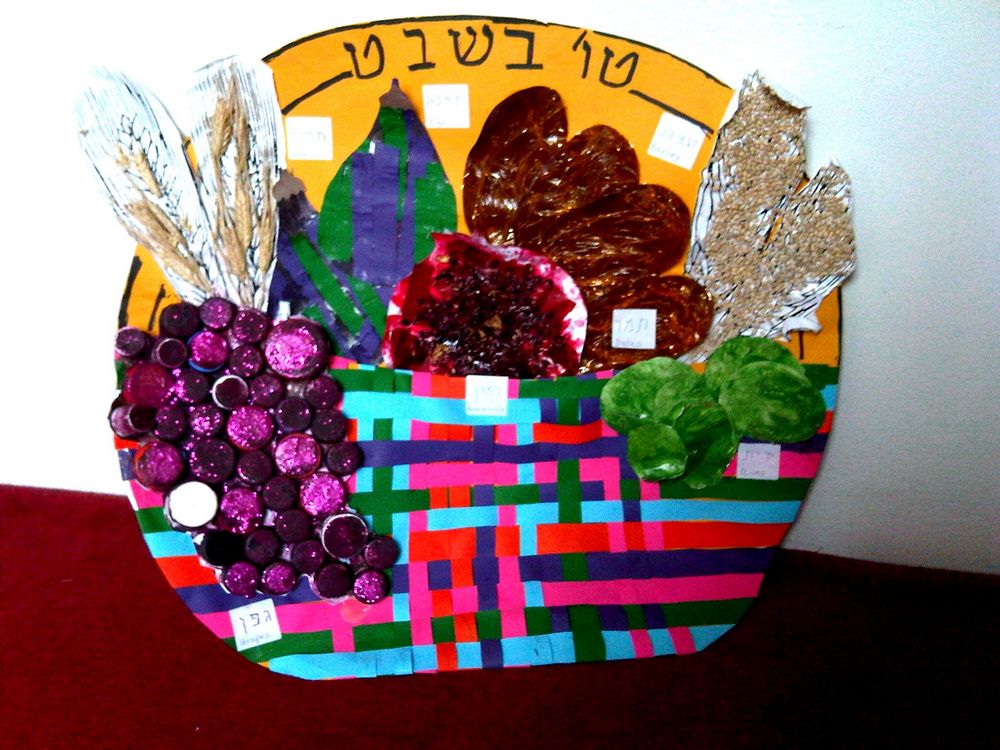
Traditional handicraft in Israel has been practiced for thousands of years, from biblical times to the present day. Traditional craftsmanship includes creating unique handmade items such as ceramic vessels, tapestries, bracelets, and more. During biblical times, traditional handicraft primarily developed in the fields of pottery, weaving, and clay.
In the Second Temple period, traditional handicraft also flourished in pottery and weaving, with the introduction of new and more advanced items. Throughout antiquity, traditional handicraft continued to evolve and progress, as professional knowledge passed down from generation to generation and was preserved through wars and upheavals in the land.
In the Hellenistic era, traditional handicraft underwent changes and innovations, with the development of new techniques and the use of new materials. In the Hellenistic era, traditional handicraft also expanded into the realm of jewelry and art, creating stylized and modern items.
Over the years, traditional handicraft in Israel has evolved and developed, but always maintained its traditional and artistic values. Today, traditional handiwork in Israel is an integral part of the culture and history of the country, providing a significant contribution to the art and design industry worldwide.
Traditional Techniques and Materials in Handicraft
Traditional handicraft in Israel utilizes techniques and materials passed down from generation to generation. These techniques include creative hand skills and specialized craftsmanship that allow artisans to create unique and high-quality products.
One of the traditional materials used in handcrafting is wood. Wood serves as a primary raw material in creating a wide range of products such as furniture, tools, jewelry, and more. Woodworkers use traditional tools like chisels, saws, and planes, paying attention to every detail in the production process.
Another widely used material in traditional handicraft is ceramics. Creating ceramic vessels requires special techniques and professional knowledge in the field. Ceramic artists use traditional tools and especially hand painting to create unique and impressive works.
Additionally, traditional techniques and materials are used in the field of weaving and embroidery. In handcraft in this field, artisans use wool, linen, and other threads to create designed fabrics and unique linens.
In conclusion, traditional techniques and materials are an important part of traditional handiwork in Israel, reflecting the country’s cultural heritage and tradition.
3. Perception of Traditional Handicraft Today
Since ancient times, traditional handicraft has been an integral part of Israeli culture. Creating handmade items has been considered an art form in itself and has been highly valued by communities. Even though the economic model has significantly changed in the modern age, there is still a sense of nostalgia and appreciation for creating handmade items.
In this era, with advanced technology and widespread availability of imported goods, many people are returning to the perception of traditional handicraft as a way to connect with roots and create a link to the past. There are many values associated with traditional handiwork, such as environmental responsibility, connection to the land and nature, and promotion of local materials.
Today, there is a trend of increasing interest in craft culture, with more people appreciating and understanding the value of creating handmade items. Many artists and designers choose to work using traditional techniques to create unique and original products.
From the user’s perspective, there is a rising popularity of handmade items designed for daily use and home decor. Many facilities and artists use digital platforms to market and sell their creations, offering consumers the opportunity to purchase original and high-quality handmade items.
In summary, the perception of traditional handicraft in Israel is evolving in the modern age. Appreciation and interest in handcraft are growing, offering a connection to the past and our roots.
4. Traditional Handicraft Industry in Israel Today
The traditional handicraft industry in Israel faces numerous challenges and changes today. With technological advancements and global competition, traditional handicrafts need to adapt to an environment that combines ancient knowledge with modern technology.
In Israel, there are still businesses and factories specializing in traditional handicrafts, such as applying traditional production techniques in areas like sewing, embroidery, and engraving. However, most traditional handicraft businesses must address the challenges of the global market and adapt to the requirements of the modern age to survive and thrive.
Traditional handicraft gives a sense of pride and satisfaction in creation.
Yael Levi – Industrial Designer

Traditional handicraft in Israel holds a special place in society, and the ancient knowledge passed down from generation to generation is an integral part of the country’s cultural heritage. Traditional handicraft businesses must be flexible and adapt to the demands of the global market to survive and develop in the age of advanced technology.
In conclusion, the traditional handicraft industry in Israel is undergoing a process of change and development. Businesses must find the right balance between tradition and technology to remain competitive and successful in the concise business world.
5. Culture and Art in Traditional Handicraft
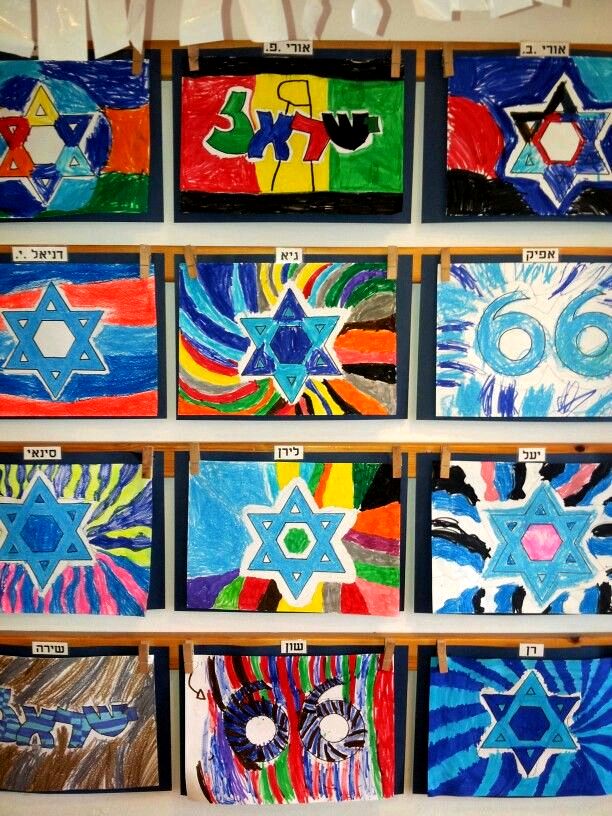
Traditional handicraft in Israel is not just an economic activity but also an ancient culture that evolves and develops. Art in traditional handicraft reflects the folk and cultural tradition of the Jewish people, providing a first glimpse into the unique essence of Israeli culture.
Art in traditional handicraft encompasses various cultural influences, such as history, religion, music, and art. The unique creations produced within this framework express the feelings, traditions, and beliefs of the artists, serving as a bridge between the past and present.
Through traditional handicraft, artists bring forth their creative abilities and present artistic works that are impressive in beauty and quality. These creations engage with viewers and offer an immersive experience that encourages excitement and admiration for traditional art.
In conclusion, culture and art in traditional handicraft in Israel are an inseparable part of the folk and cultural tradition of the Jewish people. The unique creations produced within this framework offer a deep and fascinating insight into the tradition and art of Israel, playing an important role in their continued development.
Traditional handicraft combines ancient knowledge with new technology
Itay Cohen – Artisan Teacher
6. Innovations and New Combinations in Traditional Handicraft
Traditional handicraft in Israel undergoes continuous processes of change and innovation, with manual industry evolving and advancing over time. New efforts in traditional handicraft include integrating advanced technology with art and tradition.
One of the central trends in the handicraft industry in Israel is the use of new and modern technology to improve creative and production processes. Today, artists and designers use advanced programming and painting software to create modern artworks quickly and efficiently.
Moreover, most manual crafts today utilize advanced machinery and electrical equipment to assist in production processes. This allows artisans to create high-quality items more efficiently than ever before.
Artists and designers also have broader access to advanced materials and tools, enabling them to specialize and create personalized and creatively designed items.
Ultimately, traditional handicraft in Israel integrates tradition and folk values with technology and new innovations, producing modern and stunning works that bring pride to the State of Israel.
Supporting and Promoting Traditional Handicraft in Israel
Traditional handicraft is an important part of Israeli culture and history. Since ancient times, handicraft has been considered a traditional profession passed down from generation to generation. Traditional handicraft combines ancient techniques and local raw materials with creativity and knowledge passed down from generation to generation.
Given the importance of traditional handicraft to Israeli culture and identity, many efforts are being made to support and promote traditional handicraft in Israel. Local and governmental authorities support funding projects and events related to traditional handicraft to raise awareness of its importance and support artists and initiatives in the field.
In addition, cultural institutions and professional organizations promote traditional handicraft through exhibitions, workshops, and training for the general public and artists. Moreover, forums and conferences are held to provide recommendations and ways to improve and develop the field.
Traditional handicraft helps preserve tradition and folk values
Dana Cohen – Production Manager
The efforts to support and promote traditional handicraft in Israel offer opportunities for artists and employers to strengthen and promote the industry, ensuring that ancient traditions and knowledge continue to thrive and evolve in future generations.