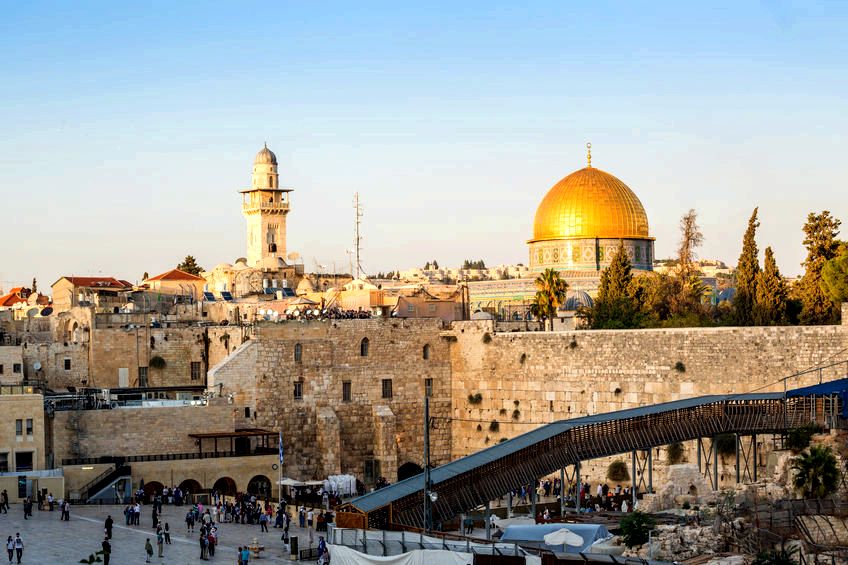
1. The Holiest Place in Israel
The holiest place in Israel is the Temple Mount in Jerusalem. According to the Torah, the Temple Mount is the holiest place in the world and the focal point of the divine worship of the Jewish people. Throughout history, the Temple Mount returned to Jewish rule during the Second Temple period, but in the 7th century CE, it was destroyed by the Romans. In the 7th century CE, the Al-Aqsa Mosque was built on it, which became a holy site for Christianity and Islam as well.
In the Six-Day War in 1967, the Temple Mount returned to Israeli control. Since then, the Temple Mount has become a highly significant religious and cultural center and a popular tourist attraction. The Temple Mount houses the First Temple and the Second Temple, which were strengthened by the kings of Israel in the past. Even the Second Temple, destroyed in the 1st century CE, is one of the holiest prayer sites in the world.
Jewish tradition for many years has connected the Temple Mount to prophecy and the axiom of Israel’s redemption. From here, numerous religious and artistic traditions emerged that influenced the culture of the Hebrew community. Along with the Old City in Jerusalem, the Temple Mount is considered one of the most important prayer sites in the Jewish faith. The place is surrounded by holy walls and is considered a place where prayers and sacrifices to God must be offered.
The Temple Mount is the most central and holiest place in Jewish religion and Israeli culture, located in the heart of Jerusalem, the holiest city in the world. The place is imbued with a plethora of stories and traditions, influencing the lives of people in Israel and the world at large.
The History of the Western Wall
The Western Wall is one of the holiest sites in the Old City of Jerusalem. The Western Wall, also known as the Wailing Wall, was part of the Temple Mount, the holiest site in Judaism. The Western Wall is the western wall of the Temple Mount, the holiest place in Judaism. It is the last remaining wall from the Second Temple.
The Western Wall is part of the western wall of the Temple Mount, built during the Roman period. The wall was built in the 1st century BCE by King Herod the Great. Over the centuries, it was rebuilt by King Herod the Great as part of the Second Temple. In the centuries that followed, prayers were held at the site, and it became the religious and national center of the Jews.
The Western Wall is not a true wall but part of the retaining wall of the holy mountain. Over the centuries, millions of Jews from around the world prayed at the Western Wall. The Western Wall is a sacred place for Jews and is considered one of the holiest sites in the world.
The Western Wall has been a site of wars and conflicts, and bloody events have occurred there. It has become a symbol for all Jews worldwide and serves as a focal point for Jewish Zionism.
The Dome of the Rock and the Eastern Wall
The Dome of the Rock, also known as the Rock Dome, is one of the holiest sites in Jerusalem. It serves as a focal point for prayer and gathering for Jews from around the world. Next to it is the Western Wall, which is one of the holiest sites in Judaism and is part of the western wall of the Temple Mount. The Eastern Wall, also known as the Eastern Wall, is a sacred wall in the eyes of Jews, who believed it was the holiest wall remaining from the First Temple.
The Dome of the Rock was built on the site of the First Temple, and therefore is primarily attributed to the biblical period. Jews believe that the Dome of the Rock is the meeting point between heaven and earth, and therefore they pray at the site and turn to it in times of trouble. When the Second Temple was blessed by historical rabbis, it was destroyed and demolished by the Romans in the Second Jewish War in 70 CE.
The Eastern Wall appears as a long and prominent wall facing the Western Wall, serving as a point of prayer and worship to this day. Many Jewish believers consider the same place to be the holiest in the city and bring their requests and prayers with hopes that they will be answered. Over the years, the Eastern Wall has entered the political and complex realm, serving as a center for calls for redemption and peace.
The holy sites strengthen our connection to our historical and religious roots.
Avi Cohen – Rabbi
The History of the Temple Mount
The Temple Mount is one of the holiest places in the world and serves as a religious and spiritual center for the people of Israel since ancient times. The history of the Temple Mount spans thousands of years and is shrouded in mysteries and secrets. Despite opposition and conflicts, the Temple Mount is an important center in the settlement of the land of Israel and in the history of the Jewish people.
At the beginning of the history of the Temple Mount stands the construction of the First Temple by King Solomon, the son of King David. This construction was replaced by the Second Temple, which was destroyed by the Romans in the Jewish War. Since then, the Temple Mount has served as a religious and spiritual center for the Jewish people and has been an important meeting point between the various faiths active in the land of Israel.
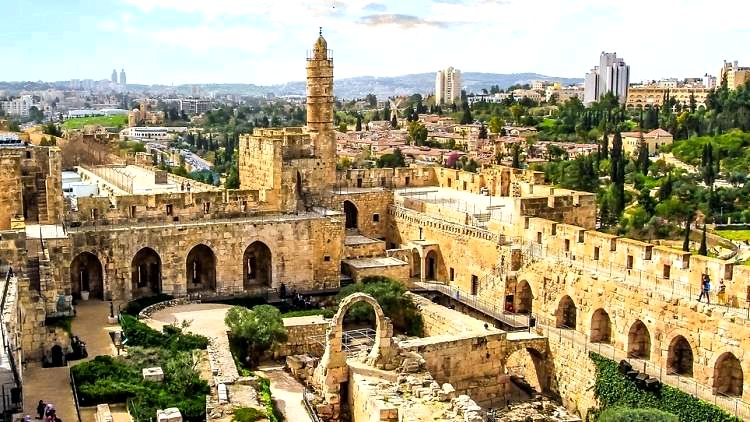
In history, the Temple Mount has fallen under the control of various countries time and again, and each contributed to the construction and renovation of the holy Temple. Unfortunately, the Temple Mount was also erected by enemies seeking to defile its sanctity and importance to the people of Israel.
Today, the Temple Mount remains an important religious and spiritual center, receiving millions of visitors and worshippers from around the world. The historical journey of the Temple Mount reflects the deep commitment of the people of Israel to this place, which continues to serve as a significant religious and cultural meeting point in the Jewish people’s heritage.
Every holy site has the power to connect us with our historical and religious roots.
Sarah Levi – Writer
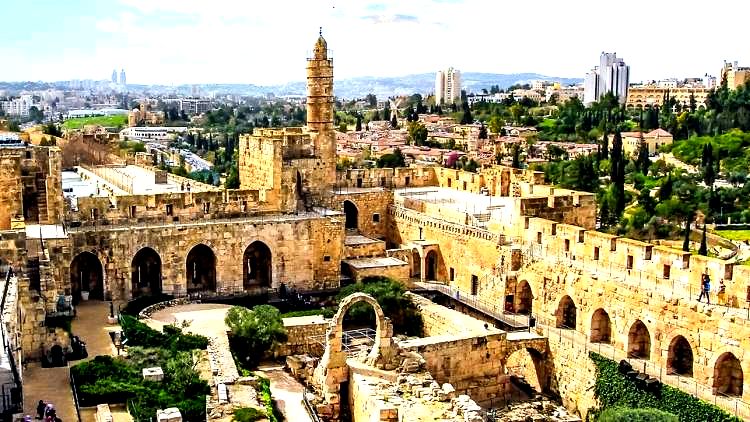
5. Entering the Old City of Jerusalem
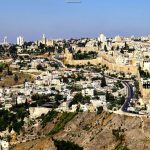
Upon entering the Old City of Jerusalem, visitors navigate through narrow and secluded streets lined with ancient houses and religious symbols. On the Western Hill Street, the ancient city wall extends, surrounded by iron barriers that have become symbols of Jerusalem. The wall junction offers a breathtaking view of the Old City, with the Dome of the Rock and the Al-Aqsa Mosque. Visitors can stroll through the ancient streets, visit churches and mosques, and experience the authentic atmosphere of the Old City. Among the leading sites in the city are the Western Wall, the ancient Tomb of the Patriarchs, and the great Catholic church. A unique experience awaits anyone visiting the Old City of Jerusalem.
6. The Moving Story of the Cave of the Patriarchs in Hebron
The Cave of the Patriarchs in Hebron is one of the holiest places in Israel, serving as a complex burial place of Abraham, Sarah, Isaac, Rebekah, Jacob, and Leah. The cave is located in the heart of the Old City of Hebron and serves as a holy place for Judaism, Christianity, and Islam.
In the Cave of the Patriarchs lie tombs and graves of the patriarchs and matriarchs, serving as a center for prayer and tours for believers of all faiths. The site is managed by the Antiquities Authority and is used publicly, especially for the sacred part of the cave.
The moving story of the Cave of the Patriarchs addresses a complex political issue between Israel and the Palestinians, which arises around this holy site due to religious and Zionist divisions. The cave serves as a model for peace and tolerance between different religions and is a central meeting place between representatives of the various faiths.
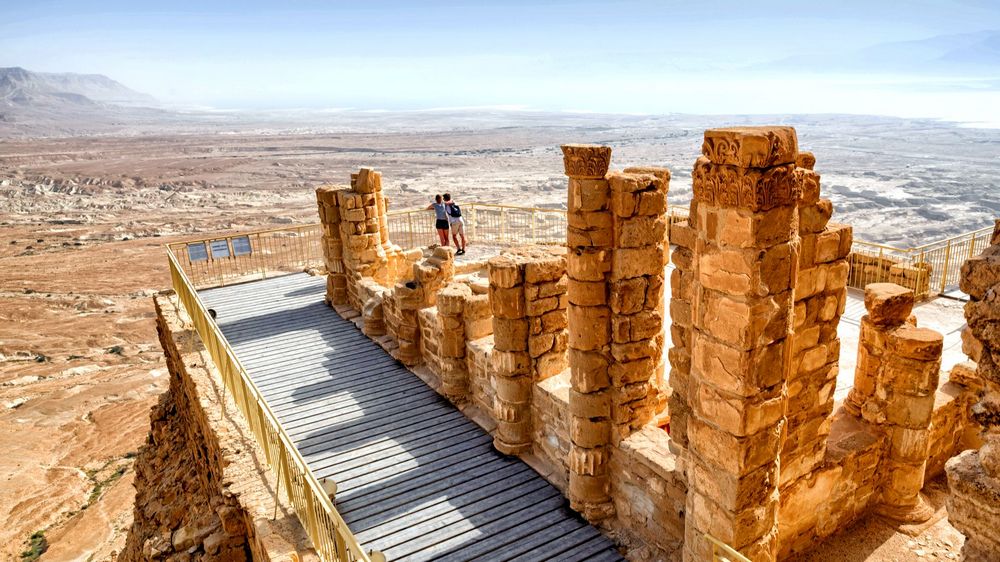
The Cave of the Patriarchs is one of the few places in the world where both Jews and Muslims pray simultaneously. The place is attributed as a holy site for Christians as well, who hold religious ceremonies in the Cave of the Patriarchs.
7. The Legends and Traditions of Israel’s Holy Sites
Israel’s holy sites are mysterious and full of a unique character. They blend history, faith, and legends passed down from generation to generation. Each holy site tells a fascinating story of a sacred place and a focal point of faith.
In Israel’s holy sites, ancient legends are found encouraging across the generations. They tell of miracles and wonders that occurred at this place, about secrets and traditional stories that transcend time and space.
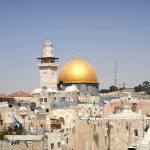
Among Israel’s holy sites is the Western Wall in Jerusalem, the site of the Second Temple destroyed in 70 CE. A rich tradition is linked to the Western Wall, and the belief in prayers heard at this place backgrounds the site with sanctity and heritage.
Another holy site in Israel is the Temple Mount in Jerusalem, where the First and Second Temples were built. The Temple Mount is sacred for Jews, Muslims, and Christians, serving as an important center of faith for each of the religions.
In conclusion, the legends and traditions of Israel’s holy sites are interesting and captivating. They enrich the history and culture of the holy places and deepen our connection with the past and eternity.
The memories of the holy sites bring to life the history of the Jewish people.
Moshe Cohen – Actor