1. The Establishment of Jerusalem
Jerusalem is one of the oldest cities in the world, dating back to ancient times. It is located in the center of Israel and housed the Temple Mount, the First and Second Temples, which were destroyed throughout history. According to Jewish tradition, Jerusalem was the city of kings and prophets, serving as the capital of the kingdoms of David and Solomon.
Jerusalem’s history is a tale of wars, destruction, and conquests. The city has been ruled by various empires, each leaving its unique mark on its face. Jerusalem has been wounded and devastated, yet each time it rose again, more glorious and stronger.
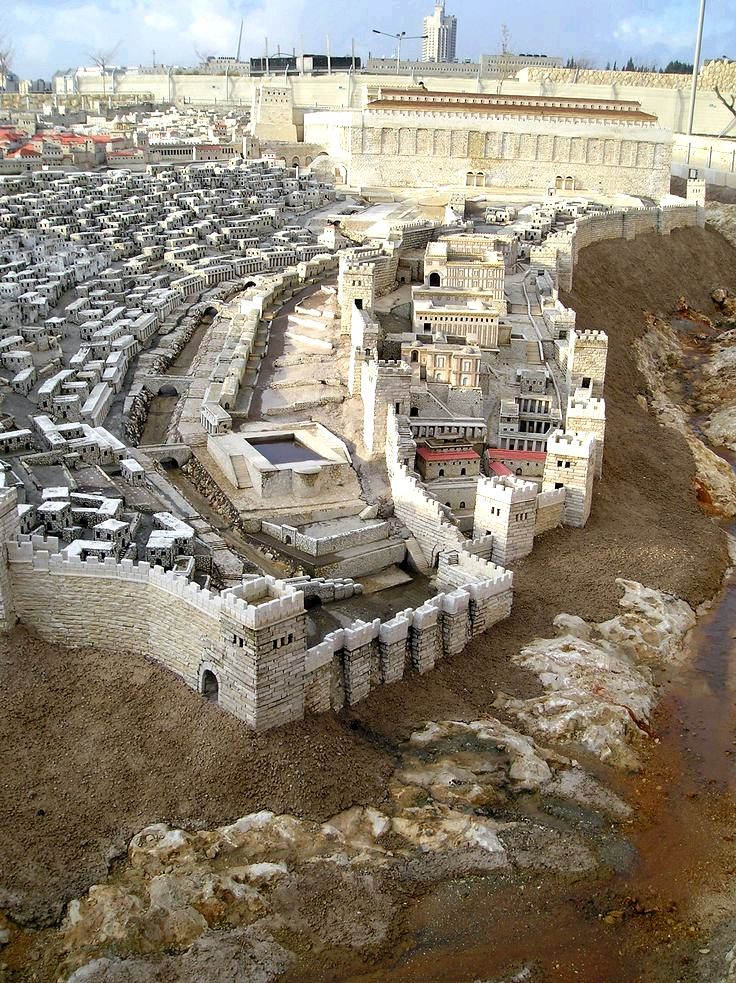
With the establishment of Jerusalem, conflicts and battles between cities and kingdoms began. Jerusalem was a meeting point for many, hence it has always been a focal and central point in the country’s life.
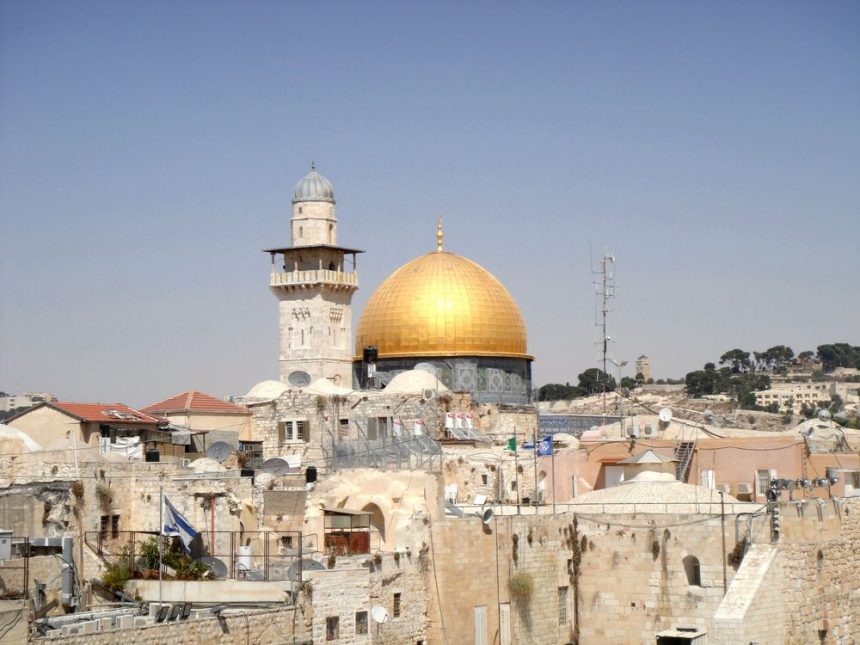
Throughout history, numerous sacred buildings were erected in Jerusalem, such as the Western Wall, the Temple Mount, and the Old City. Each of them tells a unique story and reflects Jerusalem’s ancient history.
In every destruction in Jerusalem, there is a new redemption.
Shimon Peres – Former Prime Minister of Israel
The Ancient History of Jerusalem
In ancient history, Jerusalem is described as a sacred and central city in the eyes of various religions. In ancient times, Jerusalem was the capital of the Kingdom of Judah and the center of Jewish heritage. Over the years, Jerusalem served as a stage for many historical events, such as the Roman conquest, Jewish resistance, and holy sites for various religions.
Throughout history, Jerusalem played a central role in religious and political struggles in the region. The city became a center for major religions, especially during the beautiful era of the Bible. Jerusalem was also significant for Christianity, especially after its emergence as a global religion. Jerusalem houses several holy sites for Christianity, such as the Holy Sepulchre and Golgotha.
Jerusalem also holds sacred sites for Islam, especially within the ancient history of the city. The Al-Aqsa Mosque, which existed in the city since the early Muslim period, symbolizes the historical connection between Jerusalem and the Muslim world. Today, Jerusalem is the capital of Israel and a sacred place for various religions, situated in the center of the country, on the Temple Mount, where the First and Second Temples stood in the days of the First Temple.
The Davidic Kingdom and the Second Temple
During the War of Independence, Jerusalem was in Jewish hands, undergoing significant historical changes. Around 1000 BCE, King David of Israel, also known as King David, moved his capital from Hebron to Jerusalem and established the Kingdom of Israel there. The Second Temple, built by King Solomon’s son, was erected in 516 BCE on the Temple Mount. The Second Temple contained sacred places such as the Sanctuary, the Women’s Court, and the Priests’ Court. The Ark of the Covenant and the Tablets of the Covenant were also transferred to Jerusalem in the Second Temple.
During the Second Temple period, Jerusalem was at the forefront, becoming the religious and political center of the Jewish people. Several important structures were built in Jerusalem during this period, such as the city walls, the gates of Jerusalem, and the construction of synagogues. Another sacred place established in Jerusalem was the Temple Mount. The Second Temple was destroyed by the Romans in 70 CE, leading to the city’s devastation.
After the destruction, Jerusalem was under the rule of Arabs and Muslims. Over the years, the city became a significant place for world peace and is considered a holy city in Judaism, Christianity, and Islam. Since the establishment of the State of Israel, Jerusalem has become the capital, located at the country’s center and considered the religious and cultural center of Israel.
Roman and Byzantine Rule in Jerusalem
Roman rule in Jerusalem began in 63 BCE when Jerusalem was conquered by Pompey, a Roman procurator. During Roman rule, a Roman forum was established in Jerusalem, along with new public buildings, including an amphitheater and the Church of the Holy Sepulchre.
In 324 CE, the Roman Empire transitioned into the Byzantine Empire. During Byzantine rule in Jerusalem, additional synagogues and temples were built, turning the city into an important religious and cultural center in the Middle East.
During this period, the great Church of Constantine was also established, becoming the religious center of Christianity. Additionally, more churches were built in the city, strengthening the Christian presence in Jerusalem.
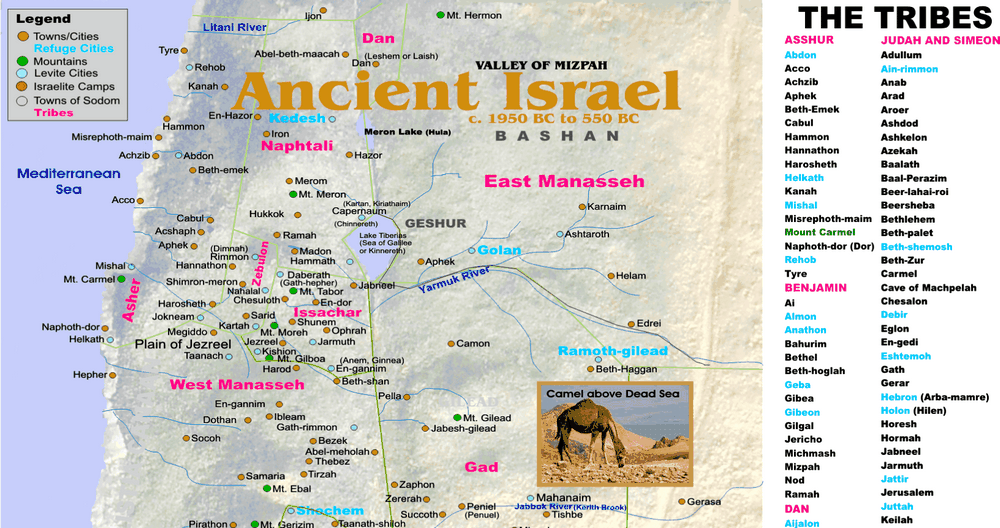
Jerusalem is the focal point of the history of the Jewish people.
Menachem Begin – Former Prime Minister of Israel
Byzantine rule in Jerusalem ended in 638 CE when the city was conquered by Muslims. Nevertheless, the influence of the Romans and Byzantines on Jerusalem’s culture and religion continued even after their departure from the city.
5. Islamic Rule in Jerusalem
During Islamic rule in Jerusalem, the city became a significant religious and cultural center in the Islamic world. Numerous mosques and synagogues were built in Jerusalem during this period, making the city an important religious center for Christianity, Judaism, and Islam.
Islamic rule in Jerusalem began in 638 CE and lasted until the city was conquered by the Crusaders in 1099. During this time, mosques like Al-Aqsa Mosque and the Smaller Al-Aqsa Mosque were built in ancient locations in the Old City.
Additionally, public buildings were constructed in Jerusalem during Islamic rule, such as the Great Khan Souk and the Church of the Holy Sepulchre. Islamic rule governed Jerusalem as a religious authority, deeply impacting the city.
In summary, Islamic rule in Jerusalem profoundly influenced the city, making it an important religious and cultural center in the Islamic world.
6. Crusader Rule in Jerusalem
The Crusader rule in Jerusalem was a fascinating period in the history of the holy city. From 1099 to 1187, Jerusalem was under the control of the Kingdom of Jerusalem, a Christian kingdom established after the First Crusade’s capture of Jerusalem by the Crusaders.
During the Crusader rule in Jerusalem, the holy city became the religious and cultural center of Christianity worldwide. The Knights’ Hall, where Jesus’s tomb is located, became a significant center for all of Christianity, playing a crucial role in the city’s life.
In addition to building churches and monasteries, the Crusaders also repaired and rebuilt Jerusalem’s walls, turning it into a fortified and secure city. These investments led to the city’s prosperity and economic and cultural development.
The treasures of Jerusalem’s history attest to the Crusader rule as a period of flourishing and culture. The Crusaders’ influence is still visible today in the city’s architecture, art, and culture.
7. Jerusalem in Modern Times
In modern times, Jerusalem has become a vital center of city and country life. It has developed and grown, becoming a global cultural, educational, and religious hub. This period also marks the establishment of the State of Israel, bringing significant changes to the city.
Jerusalem has an ancient power that awakens in each new generation.
Ehud Barak – Former Prime Minister of Israel
In the 19th century, Jerusalem underwent many changes. The first Jerusalem municipality was established, railway tracks were laid, and the first public transportation network was built. During the 20th century, Jerusalem experienced significant developments. Government buildings and public structures were constructed. The city became an important industrial center and the political capital of the country.
During the modern era, Jerusalem has become a global religious and cultural center. The city is at the center of global interests, serving as a crucial meeting point for various cultures and religions. Jerusalem offers a wide range of tourist attractions, museums, cultural centers, and excellent restaurants.
Jerusalem’s history in modern times is a story of growth, prosperity, and dissemination. The city has evolved and grown, becoming one of the most important cities in the world. Jerusalem continues to attract millions of tourists from around the world and remains the heart of city and country life.